Understanding Integrated Modular Systems
Integrated Modular Systems represent a transformative approach to engineering and construction, enabling the seamless combination of various functional modules into a cohesive structure. These systems are designed to achieve efficient functionality, improve space utilization, and reduce the time and costs of traditional construction methods. As industries increasingly prioritize sustainability and efficiency, the adoption of integrated systems is on the rise. When exploring options, Integrated Modular Systems provide comprehensive insights into advanced solutions tailored for specific needs.
What are Integrated Modular Systems?
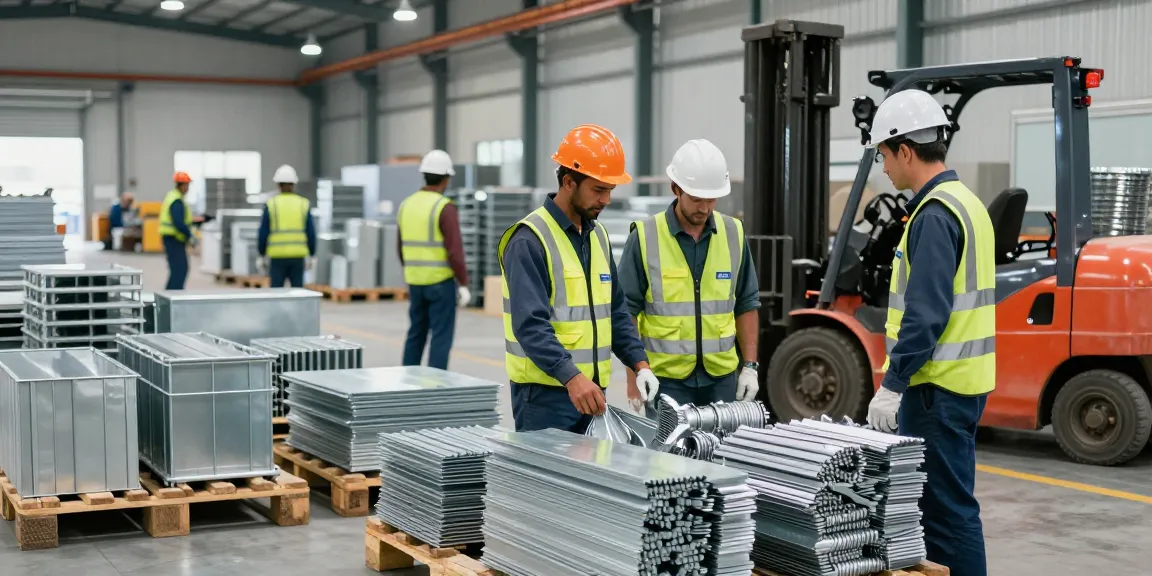
At their core, Integrated Modular Systems involve various components that work together to perform designated functions. These systems often utilize pre-constructed modules, which can be transported and assembled at the site, streamlining the implementation process. The modular design allows for flexibility and customization, catering to diverse engineering projects—from water treatment facilities to complex industrial operations. By using standardized modules, businesses can achieve economies of scale and ensure uniform quality across projects.
Key Components of Integrated Modular Systems
Several critical components make up Integrated Modular Systems, including:
- Modular Units: Pre-fabricated sections that can be easily combined to create larger systems.
- Control Systems: Embedded electronics that manage the operations of various modules.
- Integration Platforms: Software solutions that facilitate communication and coordination among modules.
- Structural Elements: Supports and frames designed to hold and connect various modules safely.
Benefits of Implementing Integrated Modular Systems
The benefits of implementing Integrated Modular Systems are numerous and can significantly impact project outcomes. Some key advantages include:
- Cost Efficiency: Reduced labor and material costs due to prefabrication.
- Time Savings: Shorter project timelines as multiple phases can occur simultaneously.
- Quality Control: Improved quality through controlled factory conditions during module production.
- Flexibility: Easily adaptable systems that can evolve with changing needs or upgrades.
Core Offerings from QILEE’s Modular Systems
As a leading manufacturer and supplier, QILEE offers a comprehensive range of Integrated Modular water treatment solutions tailored to specific water challenges. Each system is meticulously designed to ensure optimal performance under various conditions.
Integrated Membrane Water Treatment Systems
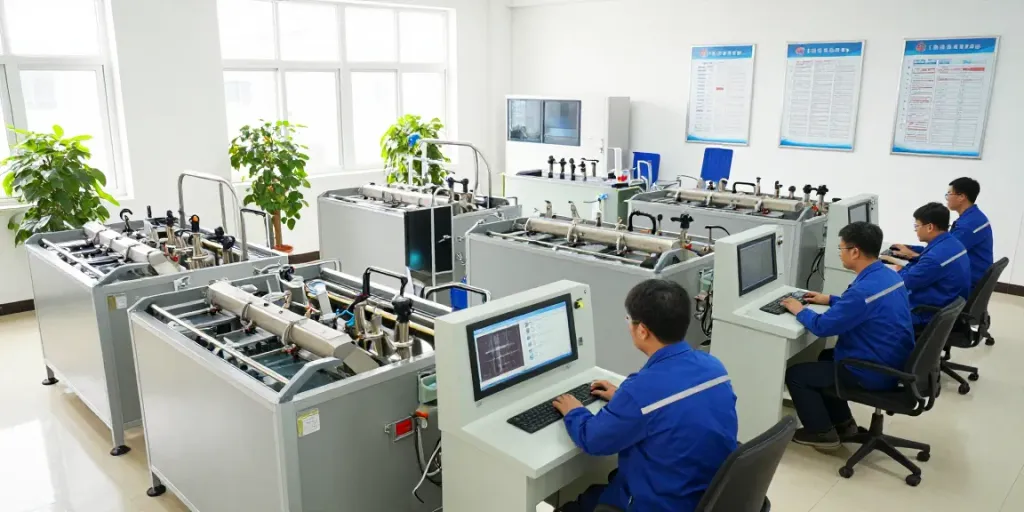
This innovative system employs cutting-edge membrane technology to filter and purify water effectively. The Integrated Membrane Water Treatment System is ideal for various applications, including municipal water supplies, industrial wastewater treatment, and desalination processes. Its compact design allows for easy installation in limited spaces while ensuring high throughput and efficiency.
Chemical Treatment Systems Overview
QILEE's Chemical Treatment Systems integrate various chemical processes to enhance water quality. This system is particularly effective for treating industrial effluents, utilizing chemicals to neutralize contaminants and achieve compliance with regulatory standards. Its modular design ensures that these systems can be scaled according to production needs, making them suitable for both small and large operations.
DAF Integrated Treatment System Features
The Dissolved Air Flotation (DAF) Integrated Treatment System combines chemical dosing and sludge dewatering technologies. Its specialized, compact structure offers high performance, making it an ideal choice for industries facing challenging wastewater conditions. This system excels in treating wastewater containing suspended solids and floc densities that are lighter than or close to water, where basic precipitation methods often fall short. Its reliability and efficiency have made it a preferred solution in various markets.
Applications of Integrated Modular Systems
Integrated Modular Systems find applications across multiple industries, reflecting their versatility and effectiveness in solving complex challenges.
Industries Leveraging Integrated Modular Systems
From water treatment facilities to manufacturing plants, Integrated Modular Systems have become essential in numerous sectors. Key industries include:
- Water Treatment: Municipalities and industries utilize these systems to ensure clean water supply and wastewater management.
- Manufacturing: Factories implement modular systems for efficient material processing and waste reduction.
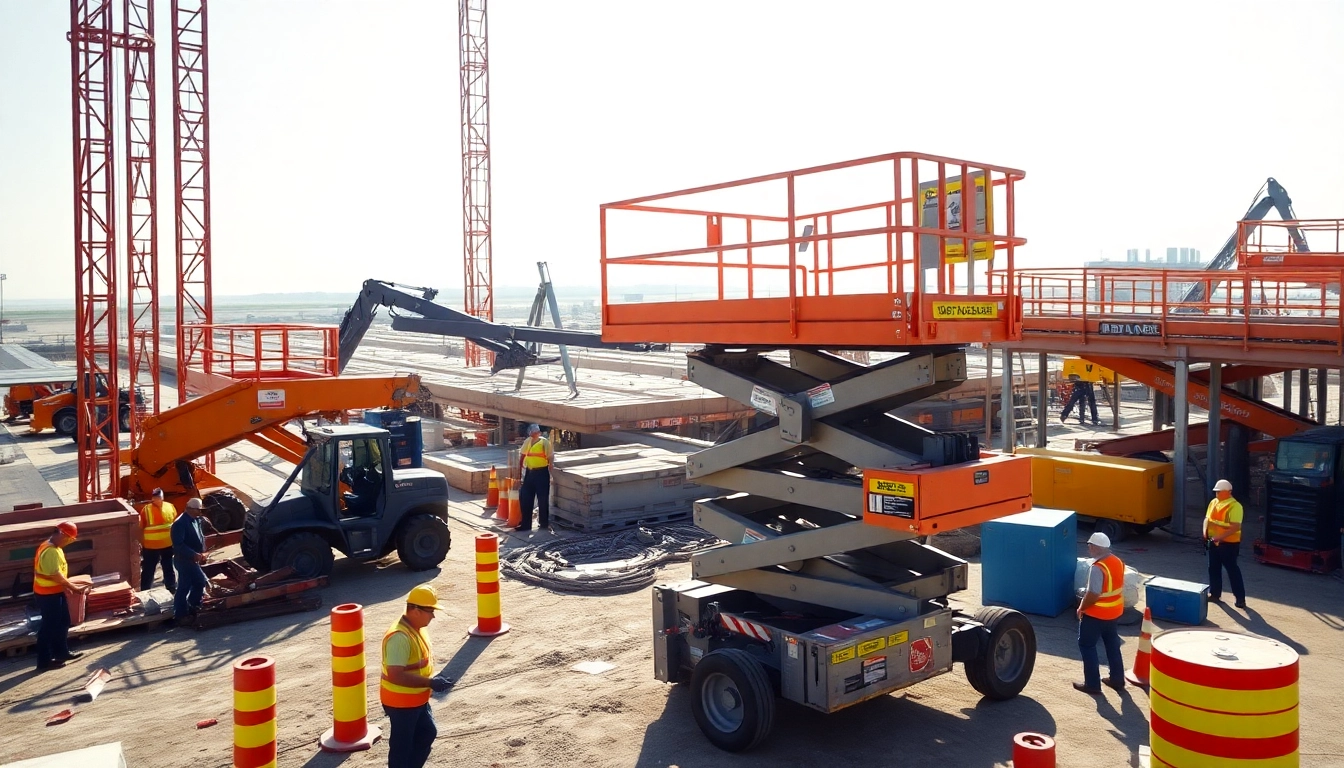
- Construction: Modular construction systems are revolutionizing traditional building methods, reducing timelines and costs.
Case Studies of Successful Implementations
There are numerous examples of successful implementations of Integrated Modular Systems, showing their efficacy and adaptability:
- A Municipal Water Treatment Plant: Utilized QILEE's Integrated Membrane System, resulting in a 30% reduction in operational costs and improved water quality.
- An Industrial Facility: Employed a DAF Integrated Treatment System that enhanced its effluent treatment process, leading to compliance with environmental regulations.
Common Challenges in Water Treatment Solutions
While Integrated Modular Systems offer many benefits, challenges can arise during implementation, including:
- Integration with Existing Infrastructure: Aligning new systems with legacy systems can be complex.
- Regulatory Compliance: Ensuring systems meet local, state, and federal water treatment standards.
- Maintenance and Support: Ongoing maintenance requirements for modular systems can vary, necessitating specialized training.
Maximizing Efficiency with Integrated Modular Systems
To fully leverage the capabilities of Integrated Modular Systems, organizations should adopt best practices for operation and maintenance.
Best Practices for Operation and Maintenance
Implementing an effective maintenance program is crucial. Best practices include:
- Regular Training: Conduct training sessions for personnel to keep them updated on system operations.
- Scheduled Maintenance: Establish a routine maintenance schedule to prevent potential failures.
- Performance Monitoring: Utilize data analytics to track system performance and identify areas for improvement.
How to Choose the Right Modular System for Your Needs
Choosing the appropriate modular system requires a thorough evaluation of several factors:
- Project Requirements: Understand the specific challenges and goals of the project.
- Budget Constraints: Assess total lifecycle costs, including installation, operation, and maintenance.
- Supplier Reputation: Research suppliers' track records and customer reviews to ensure reliability.
Performance Metrics: Evaluating Success
Measuring the success of Integrated Modular Systems involves various performance metrics, including:
- Operational Efficiency: Monitor throughput and downtime rates to gauge effectiveness.
- Cost Savings: Calculate savings achieved through the use of modular systems compared to traditional methods.
- Compliance Rates: Track adherence to environmental regulations and standards.
Future Trends in Integrated Modular Systems
The landscape of Integrated Modular Systems is continually evolving, driven by innovations in technology and shifts in regulatory environments.
Emerging Technologies in Water Treatment
New technologies are emerging that promise to enhance the capabilities of Integrated Modular Systems, including:
- AI and Data Analytics: Artificial intelligence can help optimize operations and predict maintenance needs.
- Smart Sensors: Integration of IoT devices allows for real-time monitoring and data collection.
- Advanced Membrane Technologies: Innovations in filtration technology enhance treatment efficiency and reduce costs.
Predictions for the Water Treatment Industry by 2026
As we look forward to 2026, several key predictions can be made about the water treatment industry:
- The increasing adoption of Integrated Modular Systems across both developed and developing regions.
- A growing focus on sustainability, with systems designed to minimize environmental impact.
- Regulatory frameworks becoming more stringent, driving innovation and compliance in water treatment technologies.
Regulatory Changes Affecting Modular Systems
As regulatory landscapes evolve, businesses that utilize Integrated Modular Systems must stay informed about changes that could impact operations. Compliance with updated standards is critical for success, requiring ongoing education and adaptation to new requirements.
What is an example of a modular system?
An example of a modular system is a prefabricated water treatment plant, which combines various treatment technologies into a single unit that can be easily transported and installed on-site.
How much does a modular system cost?
The cost of a modular system varies significantly based on its complexity, size, and the specific technologies employed. However, the investment often pays off through reduced operational costs and improved efficiency over time.
What is modular integrated construction?
Modular integrated construction refers to building methods that use pre-manufactured modules assembled on-site. This approach streamlines the construction process and reduces time and waste, contributing to sustainability goals.
What is the difference between modular and integrated design?
While modular design focuses on using prefabricated sections, integrated design emphasizes the seamless interaction between various components within a system. Integrated design ensures that all parts function harmoniously, optimizing overall performance.
How to ensure reliable operation of integrated systems?
Ensuring reliable operation involves regular maintenance, employee training, and performance monitoring. Organizations should establish a comprehensive operational framework that addresses potential challenges and keeps systems functioning optimally.