Understanding Types of Excavators
In the construction and heavy machinery industries, excavator types are fundamental for various applications. These machines differ in design, functionality, and purpose, making it essential for operators and project managers to understand which type suits their specific needs. Let's delve into the different models and applications of excavators, as well as how to select the right one for your project.
Different Models of Excavator
Excavators come in various models, each designed for unique tasks. Here's an overview of the most common types:
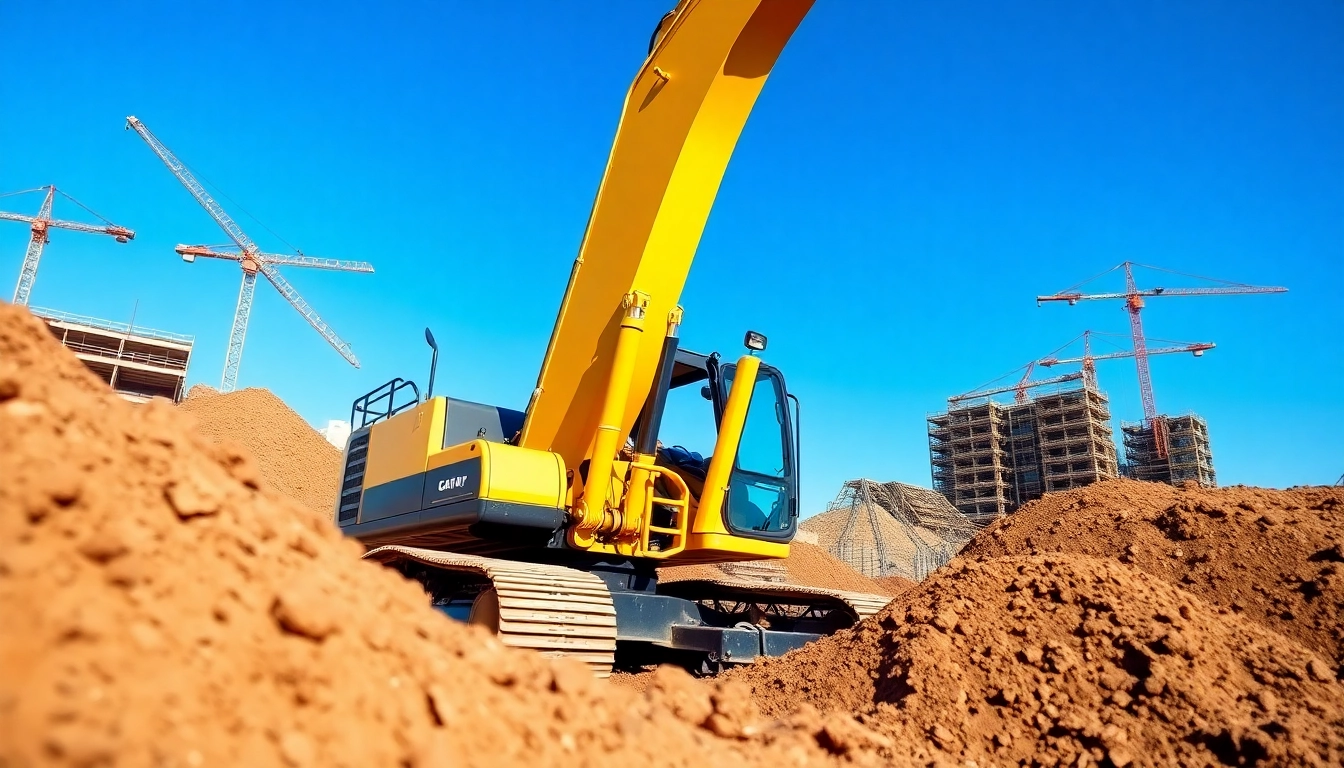
- Crawler Excavators: These excavators operate on tracks, offering stability and mobility on uneven terrain, making them ideal for large site excavation.
- Wheeled Excavators: Equipped with wheels instead of tracks, these machines are suited for urban settings where road transport is necessary.
- Mini Excavators: Compact and easy to maneuver, mini excavators are perfect for smaller jobs, especially in confined spaces.
- Long Reach Excavators: These excavators feature extended arms for digging trenches or accessing hard-to-reach areas.
- Hydraulic Excavators: Known for their power and hydraulic systems, they are versatile and commonly used for earthmoving tasks.
Applications of Excavator
Excavators serve vital functions across various sectors, including:
- Construction: Excavators are heavily utilized to dig foundations, trenches, and to move large quantities of earth.
- Mining: In mining operations, excavators extract minerals and coal, managing large volumes of earth easily.
- Agriculture: Farmers use these machines for land clearing and preparing fields for planting.
- Demolition: Excavators equipped with specialized attachments are used for tearing down buildings and structures.
- Landscaping: In landscaping and gardening, mini excavators help in shaping the land and managing site preparations.
Choosing the Right Excavator
Selecting the appropriate excavator involves several key considerations:
- Project Size: Larger projects may require more powerful, full-sized excavators, while smaller jobs can be effectively accomplished using mini excavators.
- Type of Work: Assess the specific tasks the excavator will perform; for example, deep digging might necessitate a long-reach model.
- Site Conditions: Consider the terrain and accessibility of your job site to choose between crawler or wheeled excavators.
- Budget Constraints: Evaluate your financial capacity, including purchase or rental costs and maintenance expenses.
Key Features of Modern Excavators
Today's excavators come with advanced features that enhance performance and efficiency. Understanding these features is crucial for maximizing the use of your excavator.
Hydraulic Systems Explained
The hydraulic system is the heart of any excavator, determining its lifting and digging capabilities. Modern hydraulic systems provide the following advantages:
- Increased Power: With improved hydraulic pumps and cylinders, modern excavators can exert greater force for digging and lifting tasks.
- Precision Control: Operators can execute precise movements, which is essential for delicate operations.
- Enhanced Efficiency: Advanced hydraulics reduce fuel consumption, offering both cost savings and environmental benefits.
Engine Power and Efficiency
The engine power and fuel efficiency of an excavator directly impact operational costs. Key components include:
- Engine Size: A larger engine typically translates to more power, enabling the excavator to handle tougher jobs more effectively.
- Fuel Type: Most excavators run on diesel, but alternative fuel options are emerging to meet sustainability goals.
- Emission Standards: Modern engines comply with stringent emission regulations, reducing environmental impact.
Technology in Excavator Operations
Advancements in technology have transformed excavator operations. Here are some notable innovations:
- Telematics: Many modern excavators come equipped with telematics systems that provide data on usage, maintenance needs, and performance metrics.
- Automated Controls: Automated features help operators perform tasks with minimal manual input, increasing productivity.
- Advanced Attachments: Operators can utilize various attachments, such as buckets, hammers, and thumbs, increasing the versatility of the excavator.
Maintenance Best Practices for Excavators
Regular maintenance is vital for the longevity and optimal performance of an excavator. Let's explore best practices for maintaining these machines.
Daily Pre-Operation Checks
Before operating an excavator, operators should perform daily checks to ensure safety and functionality:
- Fluid Levels: Check engine oil, hydraulic fluid, and coolant levels and top off as necessary.
- Visual Inspection: Look for signs of wear, leaks, or other damage that may need addressing.
- Operational Test: Conduct a test of controls to ensure all functions are working correctly.
Scheduled Maintenance Routines
In addition to daily checks, scheduled maintenance is critical:
- Filter Changes: Oil and hydraulic filters should be changed at regular intervals to ensure clean operation.
- Joint Lubrication: Lubricate moving parts regularly to reduce friction and wear.
- Annual Inspections: Professional inspections should be conducted at least annually to assess overall health.
Troubleshooting Common Issues
Recognizing and addressing common excavator issues can prevent costly downtime:
- Hydraulic Problems: Check for leaks, erratic movements, or unusual noises to address hydraulic system issues.
- Engine Trouble: Monitor for starting difficulties, loud noises, or overheating, signaling potential engine problems.
- Electrical Failures: Look for faulty lights or indicator issues which may indicate underlying electrical problems.
Excavator Safety Protocols and Guidelines
Safety should always be a priority on any job site where an excavator is being used. Understanding and implementing safety protocols is crucial for protecting personnel and maximizing operational efficiency.
Implementing Safety Procedures
Creating a safety culture involves establishing protocols such as:
- Pre-Operation Briefings: Conduct briefing sessions to discuss potential hazards and safety procedures before operation begins.
- Site Safety Inspection: Inspect the job site for hazards such as underground utilities and unstable terrain.
- Use of Proper Signage: Clearly mark work areas and caution operators and pedestrians.
Training Operators for Safety
Effective training programs for excavator operators are essential:
- Certification Programs: Ensure operators are certified and knowledgeable about machine functions and safety protocols.
- Regular Drills: Implement safety drills for different scenarios to prepare operators and crews for potential emergencies.
- Use of Personal Protective Equipment (PPE): Ensure all operators wear proper PPE for protection on the job site.
Emergency Response Plans
Having an emergency response plan can mitigate risks during unexpected events:
- Site-Specific Plans: Develop and practice emergency scenarios based on specific site conditions.
- First Aid Training: Equip team members with first aid training to respond quickly to accidents.
- Communication Protocols: Establish clear communication methods for notifying emergency services or managing onsite accidents.
FAQs about Excavators
What is an excavator used for?
Excavators are primarily used for digging, moving earth, and site preparation in construction and mining.
How do I choose the right excavator?
Consider your project size, type of work, and available space to select the appropriate excavator model.
What maintenance does an excavator require?
Regular maintenance includes checking fluids, inspecting hydraulic systems, and cleaning filters to ensure optimal performance.
What safety gear is needed for excavator operators?
Operators should wear helmets, high-visibility clothing, and protective footwear for enhanced safety on-site.
How often should an excavator be serviced?
An excavator should be serviced based on usage, typically every 250 hours or as per manufacturer's guidelines.