Understanding the Scissor Lift
What is a Scissor Lift?
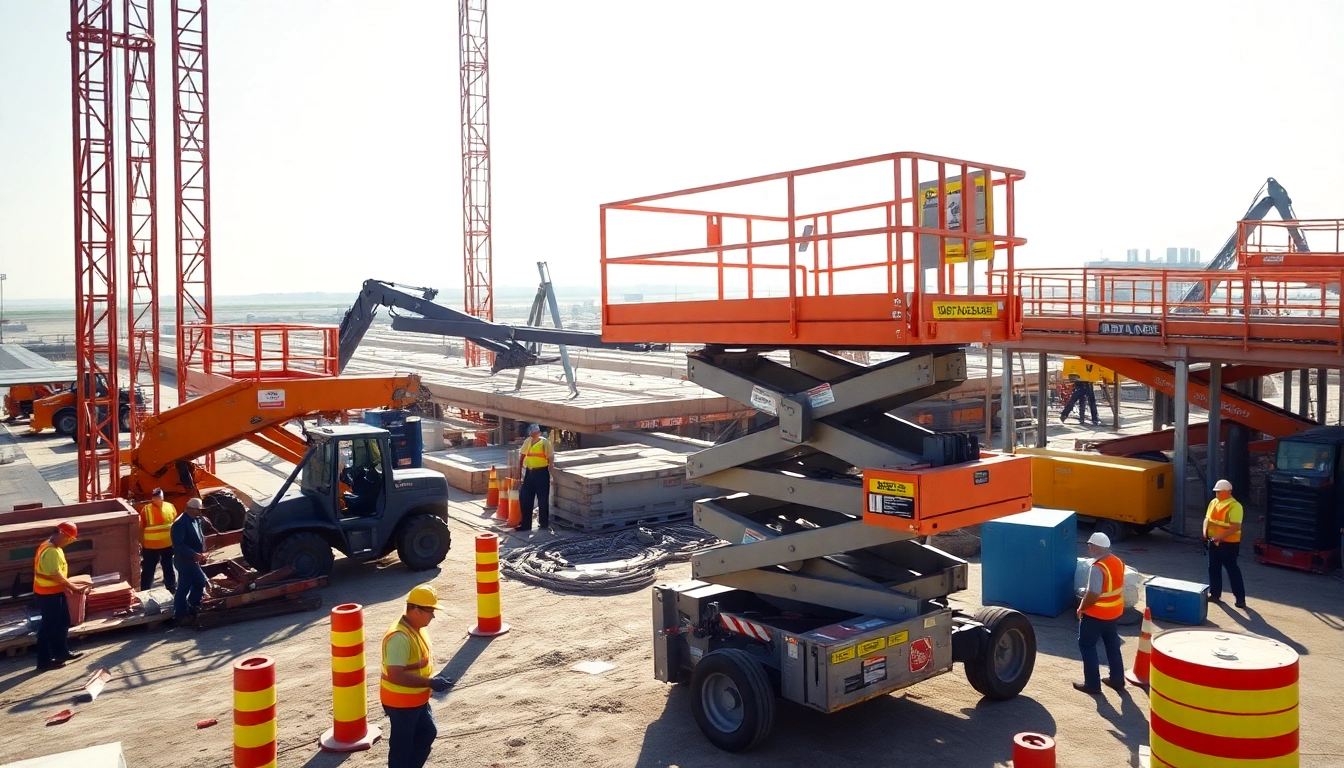
A scissor lift is a type of aerial work platform that provides a safe and accessible means to lift personnel and equipment to elevated heights. Its unique design features crisscrossed beams, which extend vertically to create a stable platform for work tasks, making it an essential tool in the construction and maintenance industries. These lifts come in various sizes and designs, catering to specific project requirements. For those interested in scissor lift options, understanding the various types and applications can lead to more informed rental or purchase decisions.
How Scissor Lifts Work
Scissor lifts operate using a hydraulic or electric mechanism that raises and lowers the platform using a series of interconnected crisscrossing arms. When the hydraulic cylinders are activated, they create a mechanical action that extends the arms, allowing the platform to rise. This mechanism ensures stability and safety, allowing workers to perform tasks at heights without compromising their security. The torque exerted during operation is distributed evenly across the scissor mechanism, ensuring that the lift climbs smoothly without swaying or tipping.
Types of Scissor Lifts Available
There are several types of scissor lifts available to meet the diverse needs of users, including:
- Electric Scissor Lifts: Ideal for indoor usage, they produce no emissions and are quieter than their gas counterparts, making them suitable for urban settings.
- Rough Terrain Scissor Lifts: Designed for outdoor use, these models feature larger tires and more robust frame structures, capable of navigating rugged terrain.
- Vertical Lift Scissor Lifts: Focused on maximizing vertical reach, they are often utilized in applications requiring high altitude access with minimal horizontal movement.
Benefits of Using a Scissor Lift
Increased Safety Features
One of the primary benefits of a scissor lift is its design that promotes safety. Equipped with guardrails and non-slip surfaces, these lifts minimize the risk of falls. Furthermore, many models include safety features such as emergency stop buttons and overload sensors, which alert operators to potential hazards. By investing in a scissor lift, organizations can ensure that their workers are protected while performing tasks at significant heights.
Enhanced Productivity on Job Sites
Using scissor lifts can significantly enhance productivity by allowing personnel to reach heights quickly and safely. The ability to position a work platform at the exact height required eliminates the need for cumbersome ladders or scaffolding, which can delay work processes. Additionally, scissor lifts can be used indoors or outdoors, providing versatile solutions for various job sites, thus reducing project timelines and improving overall efficiency.
Versatility for Various Applications
Scissor lifts can handle a wide range of tasks across industries. From construction and maintenance to theatrical set design and industrial warehousing, these lifts are suitable for any situation requiring elevated work. With their ability to carry both people and materials, scissor lifts help streamline workflows and facilitate multi-functional applications, making them indispensable in many sectors.
Choosing the Right Scissor Lift
Consider Your Project Requirements
When selecting a scissor lift, it’s crucial to assess the specific requirements of your project. Consider factors such as the height needed, the weight capacity, and the environment in which the lift will operate. For instance, an electric scissor lift might be suitable for indoor projects where space is limited, whereas a rough terrain model would be ideal for an outdoor construction site.
Evaluating Lift Height and Size
The maximum lift height is another vital consideration. With models available that offer heights from 10 to 70 feet, it’s important to choose a scissor lift that meets your vertical clearance requirements. Additionally, assess the platform size to ensure it can accommodate the number of workers and tools necessary for your tasks, allowing for safe working conditions.
Energy Source Considerations
Scissor lifts can be powered by electricity, diesel, or a combination of both. Electric scissor lifts are preferred for indoor use due to their silent operation and zero emissions, making them conducive to work environments where air quality is a concern. Conversely, diesel-powered models provide more torque and can efficiently navigate rough outdoor terrains, making them suitable for construction jobs.
Operating a Scissor Lift Safely
Essential Safety Training Techniques
To operate a scissor lift safely, proper training is necessary. Operators should undergo thorough training programs that cover the specific controls and features of the lift, as well as safe work practices. Safety training should also include emergency preparedness, enabling operators to respond effectively in case of equipment failure or other hazardous situations.
Regular Maintenance Procedures
Regular maintenance is critical to ensuring the safe operation of scissor lifts. Equipment should undergo routine inspections and servicing to identify and remedy potential issues before they lead to malfunctions. This includes checking hydraulic fluid levels, ensuring all safety features are operational, and inspecting the lift for any signs of wear and tear.
Common Safety Violations to Avoid
Common violations that operators should avoid include failing to secure the lift before maintenance, exceeding the rated load limit, and neglecting to wear proper personal protective equipment (PPE). By addressing these violations through training and adherence to operational guidelines, the risk of accidents can be significantly reduced.
FAQs about Scissor Lift
What projects require a scissor lift?
Scissor lifts are suitable for a variety of projects, including construction, painting, maintenance tasks, and events where temporary elevated access is needed.
How high can scissor lifts go?
Scissor lifts can operate at heights ranging from 10 to 70 feet, depending on the specific model chosen for the task at hand.
Are scissor lifts safe to operate?
When operated correctly and according to safety guidelines, scissor lifts are safe. Proper training and maintenance further enhance operational safety.
What is the weight capacity of scissor lifts?
Weight capacities vary by model, typically ranging from 500 to 1,500 pounds, accommodating multiple workers and tools safely.
How can I rent a scissor lift?
Scissor lifts can be rented through specialized equipment rental companies, often available online or at local rental centers.