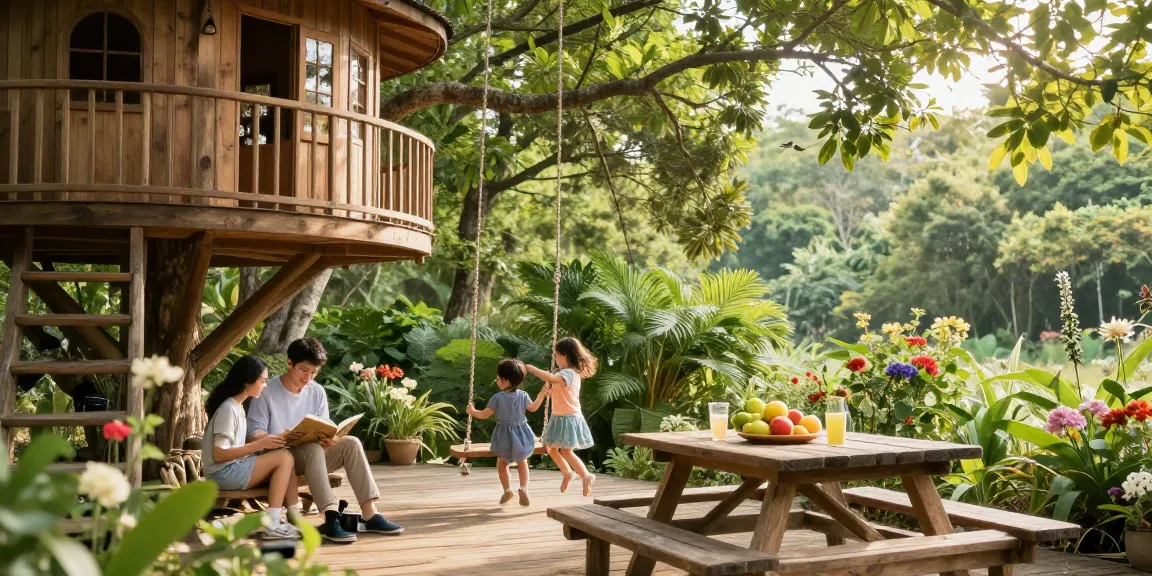
Introduction to Treehouses: A Growing Trend
Treehouses evoke a sense of nostalgia, freedom, and creativity, reminiscent of childhood adventures spent among the leaves. As more families seek unique experiences and increased connection with nature, treehouses have surged in popularity, transforming from mere childhood fantasies into stylish vacation retreats and imaginative play spaces. These elevated hideaways, often intricately designed and nestled high in the trees, are not only ideal for family bonding but also promote environmental consciousness and a deeper appreciation for the outdoors.
What are Treehouses?
Treehouses are structures built in trees, often used as play areas, vacation rentals, or even permanent homes. Their design varies significantly, ranging from simple platforms with a rope ladder to luxurious accommodations equipped with modern amenities. Typically constructed using wood to blend into the natural environment, treehouses offer a unique perspective of the world below while providing a safe haven for exploration and relaxation.
History and Evolution of Treehouses
The concept of treehouses dates back centuries, with historical references found in various cultures around the globe. Ancient civilizations, such as the Aztecs and Native Americans, built elevated structures for shelter and protection from predators. As society evolved, so did the design and purpose of treehouses, transitioning from functional dwellings to whimsical retreats. In recent years, the trend has shifted towards eco-friendly designs, integrating sustainable materials and practices that align with contemporary values of conservation and environmental stewardship.
Benefits of Treehouses for Families
- Enhanced Creativity: Treehouses encourage imaginative play, allowing children to create their own worlds and stories.
- Strengthening Bonds: Building and maintaining a treehouse together fosters teamwork and enhances familial relationships.
- Connection with Nature: Spending time in a treehouse nurtures an appreciation for the outdoors and environmental awareness.
- Physical Activity: Climbing and playing in a treehouse promotes physical fitness and outdoor activities.
Designing Your Dream Treehouse
Choosing the Right Location
The first step in designing a treehouse is selecting an ideal location. Factors to consider include the maturity and health of trees, proximity to water sources, sun exposure, and privacy from neighbours. Choosing a sturdy tree with a strong trunk and a broad canopy will ensure stability and safety. Additionally, consider the aesthetic value of the surrounding environment, as a scenic backdrop will enhance the overall experience of your treehouse.
Essential Design Features of Treehouses
When designing your dream treehouse, incorporating essential features that promote safety, functionality, and comfort is key. Here are some critical design elements:
- Strong Foundation: Ensure the base is well-constructed with ample support to accommodate weight and movement.
- Safety Railings: Adding railings around balconies and stairways will prevent accidents and falls.
- Weather-Resistant Materials: Use treated woods and other durable materials to withstand the elements.
- Windows and Ventilation: Incorporate windows for natural light and airflow, enhancing climate control inside the structure.
Sustainability Practices in Treehouse Construction
Incorporating sustainable practices is vital in treehouse construction. Opt for locally sourced, reclaimed, or recycled materials whenever possible to reduce your carbon footprint. Additionally, consider using eco-friendly paints and finishes that are safe for both the environment and occupants. Implementing solar panels for energy needs can also enhance sustainability and reduce reliance on local power sources.
Treehouse Experiences and Activities
Outdoor Adventures for the Entire Family
Treehouses offer a fantastic jumping-off point for various outdoor adventures. Families can engage in activities such as birdwatching, stargazing, and nature hikes. Incorporating rope swings, zip lines, or climbing walls can transform the treehouse area into a vibrant playground filled with excitement and adventure for all ages.
Creative Play Ideas in Treehouses
The imaginative potential within a treehouse is limitless. Here are some play ideas to consider:
- Nature Crafts: Use natural materials like leaves, twigs, and stones for creative projects.
- Storytime Sessions: Create a cozy reading nook for family storytime, surrounded by nature.
- Outdoor Movie Nights: Hang a projector screen and enjoy films under the stars.
- Science Experiments: Engage in outdoor science activities that explore biology, weather, and astronomy.
Organising Treehouse Events and Gatherings
Treehouses are also ideal venues for hosting special events. Whether it’s a birthday party, family reunion, or small gathering, the unique setting can enhance the experience. Set up picnic areas, create themed decorations, and plan outdoor games to make the event memorable for everyone involved. Encouraging guests to contribute their ideas for activities can also foster a more inclusive environment.
Maintaining Your Treehouse
Regular Maintenance Tips for Longevity
To enjoy your treehouse for years to come, regular maintenance is essential. Here are some maintenance tips:
- Inspect Regularly: Check for signs of wear, such as loose boards or damaged railings, and repair them promptly.
- Clean Gutters and Roofs: Regularly clear leaves and debris to prevent water damage and maintain structural integrity.
- Repaint and Retreat: Apply weather-resistant finishes regularly to protect the wood from rot and decay.
Safety Precautions for Treehouse Use
While treehouses can be safe, establishing guidelines for use is essential to ensure everyone’s safety. Set age restrictions for certain activities, ensure children are supervised, and explain the importance of safety measures, such as using railings and not overcrowding the treehouse. Regular safety inspections can further mitigate risks.
Seasonal Upgrades and Decor Ideas
Upgrading your treehouse can be a fun project each season. In summer, consider adding outdoor string lights for ambience, while autumn can bring warm colours through decorations. Winter offers the opportunity to insulate the treehouse and keep it usable year-round, providing a cozy retreat during snowy months. Stringing lights or hanging decorations can elevate the holiday spirit, fostering a festive atmosphere.
Future of Treehouses: Trends for 2026 and Beyond
Innovative Designs in Treehouse Architecture
As treehouses continue to gain popularity, innovative designs are emerging. Expect to see more sustainable and modern architectural styles that incorporate smart technology for energy efficiency, remote access, and automated climate control. Designs will increasingly focus on minimal environmental impact while enhancing aesthetic appeal and functionality.
Eco-friendly Trends Influencing Treehouses
With growing awareness of environmental issues, future treehouses will likely integrate more eco-friendly practices, including the use of renewable resources, rainwater harvesting systems, and green roofs. This shift towards sustainability will not only appeal to environmentally conscious consumers but also contribute to a more profound respect for nature.
Community and Treehouse Collaborations
As interest in treehouses grows, communities may foster collaborations around these structures. Programs that encourage families to share their treehouses can enhance community bonding and provide children with unique play experiences. Treehouses could also serve as venues for educational workshops focused on environmental stewardship, creativity, and teamwork.
How much money does it cost to build a treehouse?
The cost of building a treehouse can vary widely based on size, materials, and design features. On average, homeowners can expect to spend anywhere from £1,500 to £10,000, depending on complexity and materials used.
Is it legal to build a treehouse in your backyard?
Building a treehouse typically requires adherence to local building codes and zoning laws. It's wise to check with local authorities before construction to ensure compliance and avoid potential fines.
How long do treehouses last?
With proper construction and maintenance, treehouses can last for many years, often exceeding 10 to 20 years. The longevity largely depends on the quality of materials used and ongoing upkeep.
What is the best tree house ever?
While subjective, some iconic treehouses, such as the Treehotel in Sweden and the Free Spirit Spheres in Canada, are frequently mentioned. These unique structures exemplify creativity and design excellence in treehouse architecture.
What are the best materials for treehouse construction?
Common materials for constructing a treehouse include pressure-treated wood, cedar, and plywood. These materials are not only durable but also provide resistance to weather and pests.