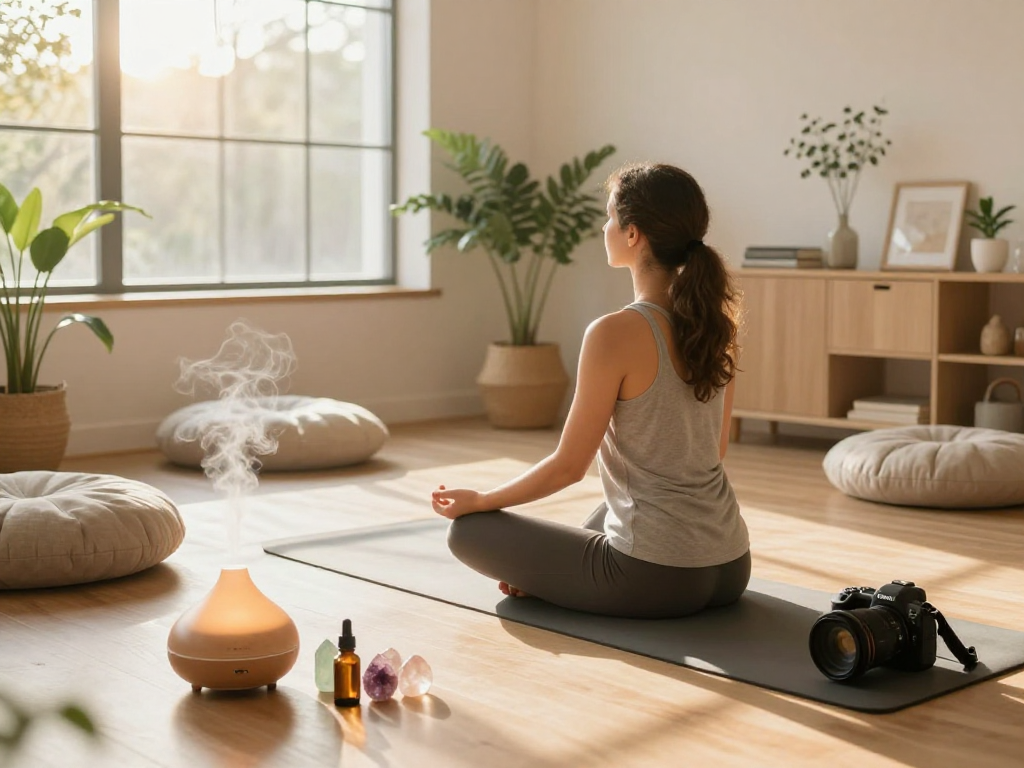
The Rise of Mindfulness: Understanding mantra88's Impact
In the fast-paced world of today, where stress and anxiety are rampant, mindfulness has emerged as a powerful antidote, promoting mental well-being and emotional resilience. Central to this movement is the concept of mantra88, which encapsulates a holistic approach to wellness that is rapidly gaining traction. It encompasses not just meditation, but a lifestyle choice that integrates mindfulness into every facet of daily living. This article explores what mantra88 is, its relevance in the wellness community, and the science underpinning these practices, aiming to demystify the journey toward a more mindful life.
What is mantra88 and its Relevance in Wellness?
Mantra88 represents a synthesis of ancient wisdom and modern mindfulness practices. It serves as a guiding principle for individuals seeking to cultivate inner peace and enhance their overall quality of life. The essence of mantra88 lies in its emphasis on intentional living – the focus on being present in the moment, fostering self-awareness, and promoting mental clarity. In a world filled with distractions, mantra88 encourages individuals to pause, reflect, and engage meaningfully with their surroundings.
Moreover, this approach is not limited to just personal development; it has significant implications for community health and collective well-being. By integrating mantra88 into group settings, such as workplaces or schools, the benefits of mindfulness can ripple outward, creating a more compassionate and understanding society.
The Science Behind Mindfulness Practices
The scientific community has increasingly validated the claims surrounding mindfulness, including those associated with mantra88. Research indicates that regular mindfulness practices contribute to enhanced cognitive function, reduced stress levels, and improved emotional regulation. Notably, studies show that mindfulness meditation can lead to measurable changes in brain structure, particularly in areas associated with attention and emotion regulation.
For instance, participants engaging in mindfulness practices have demonstrated a decrease in the amygdala's reactivity – the brain's fear center – and an increase in the thickness of the prefrontal cortex, which is responsible for higher cognitive functions. This dual impact highlights how mantra88 can not only boost mental resilience but also promote overall brain health.
Common Misconceptions About Meditation and Wellness
Despite the growing popularity of mindfulness practices, several misconceptions continue to hinder individuals from fully embracing it. One prevailing myth is that meditation requires hours of sitting in silence, which can be daunting for beginners. In reality, even brief moments of focused attention can yield substantial benefits. Furthermore, many believe that mindfulness is solely about relaxation, overlooking its role in enhancing productivity and creativity.
Another common misconception is that mindfulness practices must be performed in solitude. On the contrary, community-based mindfulness, as encapsulated by mantra88, thrives on shared experiences. Group sessions can provide support, accountability, and a sense of belonging, making the journey toward mindfulness more enriching.
Creating a Conducive Environment for Wellness
Establishing a nurturing environment is crucial for effectively practicing the principles of mantra88. A thoughtfully designed space can enhance one's ability to focus, reflect, and engage in mindfulness practices. Below, we explore key elements that contribute to a mindfulness-friendly environment.
Key Elements of a Mindfulness Space
Creating a conducive wellness space involves several considerations:
- Quietness: A peaceful atmosphere is essential for meditation and reflection. Minimizing noise pollution and distractions helps cultivate a focused mind.
- Comfort: Ergonomic seating or cushions can make an environment inviting. It’s important to choose furnishings that promote relaxation.
- Natural Light: Exposure to natural light boosts mood and energy levels. Incorporate windows or use soft lighting to mimic natural light.
- Personal Touches: Surrounding yourself with objects that inspire positivity, such as plants, art, or personal mementos, can enhance your connection to the space.
Color Psychology: Choosing the Right Palette
The colors within a mindfulness space significantly influence mood and mindset. Studies in color psychology suggest that different colors can evoke various feelings and responses:
- Blue: Promotes calmness and tranquility.
- Green: Represents nature and renewal, providing a refreshing atmosphere.
- Yellow: Encourages joy and optimism but should be used in moderation to avoid overstimulation.
- Purple: Often associated with spirituality and introspection, making it suitable for meditation areas.
Selecting a color palette that resonates with your personal preferences can create an inviting space that supports your mantra88 journey.
Tools and Accessories to Enhance Your Experience
Various tools can aid in enhancing mindfulness experiences. Consider incorporating the following into your practice:
- Meditation Cushions: These can provide comfort during long sessions and promote good posture.
- Essential Oils: Aromatherapy can enhance relaxation. Scents like lavender and cedarwood are popular choices.
- Mindfulness Apps: Utilizing technology can complement your practice, offering guided meditations and reminders to be present.
- Journals: Keeping a mindfulness journal helps track your progress and engage in self-reflection.
Bridging Technology and Mindfulness
The integration of technology into mindfulness practices enriches the way individuals interact with and maintain their wellness routines. As we delve into this new age of mindfulness, let's explore how technology enhances our experiences, including tools and trends that are shaping the future of wellness.
Apps and Devices for Guided Meditation
In recent years, a plethora of apps has emerged, designed to facilitate mindfulness practices for users of all levels. Popular options like Headspace and Calm offer guided meditations, sleep aids, and relaxation techniques tailored to various needs. These apps utilize gamification to encourage consistent practice, making mindfulness more accessible than ever.
Devices such as wearable fitness trackers also play a role by monitoring biometric data. These can help users understand their stress levels better and identify when it's time to engage in mindfulness exercises.
Future Trends: Integrating AI in Wellness Practices
Artificial Intelligence (AI) is poised to revolutionize the wellness landscape, particularly in the realm of mindfulness. Innovations are on the horizon that will leverage AI to provide personalized meditation experiences based on user behavior and preferences. Imagine an app that adapts to your emotional state in real-time, suggesting specific practices to enhance your mood or alleviate stress.
Such advancements promise to make mindfulness more tailored and effective, keeping pace with our increasingly complex lives.
Measuring the Effectiveness of Mindfulness Apps
The effectiveness of mindfulness apps is often gauged through user feedback, but scientific studies are beginning to complement this anecdotal evidence. Research indicates that regular use of mindfulness apps can lead to improvements in psychological well-being, including reductions in anxiety and improvements in mood states.
Future iterations of these apps may incorporate features that allow users to track their emotional progress over time, creating a comprehensive picture of their mental health journey.
Real-World Applications of mantra88 in Daily Life
The concepts embodied by mantra88 have practical applications that transcend theory. By examining real-world examples, we can uncover how individuals and organizations embody these principles in their daily lives, with transformative results.
Case Studies: Transforming Workspaces into Mindfulness Zones
Numerous companies are beginning to recognize the importance of mindfulness in the workplace. For instance, tech giants like Google provide mindfulness spaces and meditation programs to enhance employee satisfaction and productivity. These environments not only promote individual well-being but also foster a culture of mindfulness within the organization, leading to improved collaboration and innovation.
Case studies indicate that these initiatives have resulted in reduced stress levels and higher employee retention rates, showcasing the tangible benefits of integrating mantra88 principles into corporate culture.
Personal Stories: The Journey with mantra88
Personal testimonials play a vital role in understanding the impact of mantra88. Individuals who have integrated mindfulness into their daily regimes often report profound shifts in perspective and emotional health. For example, a teacher shared how incorporating mantra88 practices into her daily routine helped her manage classroom stress, ultimately improving her relationships with students.
Such stories not only inspire others to begin their journey toward mindfulness but also serve as powerful reminders of the practical benefits that these practices offer.
Best Practices for Sustaining Mindfulness Habits
Commitment to mindfulness requires consistent effort and reflection. Here are a few best practices to help maintain your mindfulness habits:
- Set Realistic Goals: Begin by integrating short sessions into your day and gradually increase duration as you become more comfortable.
- Create a Routine: Establishing a regular time for mindfulness can help embed these practices into your daily life.
- Stay Flexible: Be open to experimentation with different techniques and tools; what works for one person may not work for another.
- Connect with Others: Joining a mindfulness group or participating in workshops can provide support and motivation.
The Future of Wellness: What to Expect by 2026
As we look toward the next decade, the evolution of wellness practices, particularly those aligned with mantra88, is set to be dynamic and transformative. Emerging trends will shape the landscape of mindfulness, making it more accessible, integrated, and impactful.
Emerging Trends in Mindfulness and Wellness
We can expect a surge in mindfulness-focused retreats and corporate wellness programs as organizations recognize the importance of mental health. The wellness industry is likely to see a rise in holistic approaches that integrate physical, mental, and emotional health, facilitated by the principles of mantra88.
Predictions for Wellness Spaces in the Next Decade
Workplaces and public environments will increasingly incorporate designated wellness spaces, equipped with technology that fosters mindfulness. These spaces are predicted to include features like soundscapes, interactive mindfulness stations, and areas for communal meditation, reflecting the commitment to mental health and well-being.
The Role of Community in Wellness Practices
Community involvement will become even more pivotal in the realm of mindfulness. The future will likely see the formation of more local groups that encourage collective participation in mindfulness practices. These gatherings can foster connections, share insights, and facilitate discussions about mental health, amplifying the impact of mantra88.