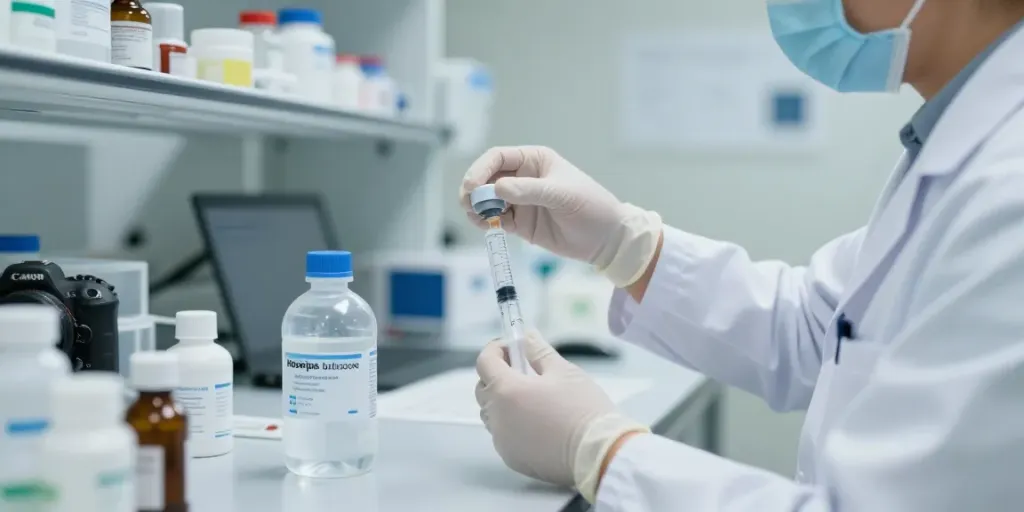
Understanding Bacteriostatic Water
Bacteriostatic water serves a crucial role in the preparation and administration of injectable medications. Specifically, hospira bacteriostatic water is widely recognized for its quality and is often utilized across various medical settings. This specialized water is designed to dilute or dissolve drugs, ensuring they are safe for parenteral administration. Understanding the components and importance of bacteriostatic water is essential for healthcare professionals and patients alike.
What is Hospira Bacteriostatic Water?
Hospira bacteriostatic water for injection is a sterile, non-pyrogenic preparation of water, primarily used as a solvent for medications that require dilution. Each vial of Hospira's product typically contains 30 mL of water preserved with 0.9% benzyl alcohol, which prevents bacterial growth while allowing for multiple dosing. Its use is critical in contexts where sterility is non-negotiable, as it ensures that medications remain uncontaminated throughout their use.
Composition and Purpose of Bacteriostatic Water
The composition of bacteriostatic water distinguishes it from other types of water used in medical practices. Bacteriostatic water contains the following key components:
- Sterile Water: The base of the solution, free from impurities and contaminants.
- Benzyl Alcohol: A preservative that inhibits the growth of bacteria and fungi.
This unique composition enables physicians and pharmacists to safely dilute medications, particularly those that are sensitive to bacterial contamination, ensuring both efficacy and safety in treatment regimens.
Differences Between Bacteriostatic and Sterile Water
While both bacteriostatic and sterile water are critical to medical applications, they are not interchangeable:
- Sterile Water: Contains no additives and is used primarily for single-dose injections or when a diluent is needed without the risk of contamination.
- Bacteriostatic Water: Specifically designed for multi-dose use, as the benzyl alcohol acts as a safety barrier against microbial growth.
This means that healthcare providers must select the appropriate type based on the medication's requirements and treatment protocols.
Importance of Sterility in Medication Preparation
Ensuring sterility in medication preparation is a fundamental principle in healthcare that directly impacts patient safety. The risks associated with using non-sterile water can lead to severe complications and infections, highlighting the necessity of adhering to best practices for medical supply management.
Risks of Non-Sterile Water Usage
Using non-sterile water in injectable medications can introduce pathogens, leading to infections that may have serious health consequences. In addition to local site infections, systemic infections can occur, which can be life-threatening. The implications of these risks emphasize the need for healthcare providers to always utilize sterile products like Hospira bacteriostatic water during preparations.
How Sterility Impacts Patient Safety
The integrity of sterile injection practices is crucial for preventing healthcare-associated infections (HAIs). Procedures involving injections or infusions require a sterile medium, and any lapse in this practice can undermine treatment outcomes. By using products that guarantee sterility, healthcare professionals significantly reduce potential risks to patients, ensuring safer, more effective medical interventions.
Best Practices for Ensuring Sterile Conditions
To maintain sterility when preparing medications, healthcare professionals should adhere to several best practices:
- Always wash hands thoroughly before handling any injectable solutions.
- Use gloves and sterile equipment to prevent contamination.
- Avoid touching the inside of vial caps and syringes.
- Store bacteriostatic water in appropriate conditions to maintain its integrity.
Implementing these practices not only safeguards patient health but also enhances trust in healthcare procedures.
Buying and Storing Hospira Bacteriostatic Water
Accessing high-quality bacteriostatic water is essential for healthcare providers, and understanding where to purchase it ensures that practitioners are using reliable products for their patients.
Where to Purchase High-Quality Bacteriostatic Water?
Hospira bacteriostatic water is available through various medical supply vendors, pharmacies, and online platforms that specialize in healthcare products. It is essential to verify that suppliers are reputable to ensure that the product is authentic and meets the strict safety standards set by health authorities.
Storage Conditions to Maintain Purity
Storing bacteriostatic water correctly is crucial to maintaining its effectiveness:
- Keep in a cool, dry place away from direct sunlight.
- Ensure that the cap is securely fastened to prevent contamination.
- Avoid using the product if it appears discolored or if the seal is broken.
These precautions help preserve the quality of the solution over time.
Understanding Shelf Life and Expiry Dates
Each vial of bacteriostatic water comes with an expiration date that signifies the period during which it is guaranteed to be safe and effective. Healthcare providers should monitor these dates and follow guidelines for proper disposal of expired products to avoid administering potentially harmful solutions to patients.
Practical Applications of Bacteriostatic Water
In clinical settings, bacteriostatic water has various applications, especially in preparing medications for injection. Its ability to maintain sterility while allowing multiple doses makes it exceptionally valuable in multiple healthcare scenarios.
Common Uses in Medical Settings
Bacteriostatic water is primarily used in the following situations:
- Diluting injectable medications that require reconstitution.
- Administering drugs for extended periods without compromising sterility.
- Facilitating the safe injection of peptides and hormones in both clinical and home treatment settings.
Understanding these applications helps medical professionals utilize bacteriostatic water effectively in treatments.
How to Properly Dilute Medications
Proper dilution of medications with bacteriostatic water requires careful attention to dosage and technique:
- Remove the vial cap and cleanse the top with an alcohol swab.
- Draw the appropriate amount of bacteriostatic water into a syringe.
- Inject the water into the medication vial and gently swirl to mix.
- Withdraw the required dosage for administration.
Following these steps ensures that medications are accurately prepared for administration, enhancing treatment efficacy.
Real-World Scenarios for Bacteriostatic Water Utilization
Healthcare professionals encounter various scenarios where bacteriostatic water is critical:
- In hospitals, it is often used to prepare doses of antibiotics, anesthetics, or chemotherapy drugs.
- In outpatient settings, physicians may use it to mix medications for patients with chronic conditions that require regular injections.
- In fertility treatments, it is used for reconstituting hormones necessary for IVF protocols.
These examples highlight the versatility and necessity of bacteriostatic water in enhancing treatment outcomes.
Future Trends in Bacteriostatic Water Use
As the healthcare landscape evolves, so too does the use of bacteriostatic water in medical treatments. Innovations and changes in regulations are paving the way for advancements in how these products are utilized.
Innovations in Pharmaceutical Preparations
The pharmaceutical industry continually seeks innovative solutions to improve drug efficacy and safety. Advances in formulations and the development of new preservatives may enhance the stability and shelf life of bacteriostatic water, improving its reliability in medical settings.
Predicted Changes in Regulations and Standards
Regulatory bodies are likely to update guidelines and practices surrounding the use of bacteriostatic water to align with emerging research and technology. These changes could lead to more stringent quality control measures, further ensuring patient safety in injectable medication preparation.
Potential for New Applications Beyond Current Uses
Research may uncover additional uses for bacteriostatic water, expanding its application beyond traditional medical settings. Potential areas of exploration include its role in biopharmaceuticals or as a medium for novel therapies that require precise reconstitution techniques.
Where can I buy Hospira Bacteriostatic Water for injections?
Hospira Bacteriostatic Water is widely available through various suppliers, including online pharmacies and medical supply websites. Ensuring that you purchase from a reputable source will guarantee the product's authenticity and safety.
What is Hospira bacteriostatic water?
Hospira bacteriostatic water is a prepared solution containing sterile water and a small percentage of benzyl alcohol, designed for the dilution of medications for injection.
Is Hospira BAC water safe?
Yes, when used as directed, Hospira Bacteriostatic Water is safe and effective for reconstituting medications intended for multiple-dose use.
Why is it so hard to get bacteriostatic water?
Challenges in sourcing bacteriostatic water may arise due to supply chain issues, increased demand in healthcare settings, or regulatory changes affecting production and availability.
How to properly store bacteriostatic water?
To store bacteriostatic water properly, keep it in a cool, dry location, away from direct sunlight, and ensure that the vial cap is tightly fitted to maintain sterility.