Understanding Age Estimation Technology
In an age where technology influences almost every aspect of our lives, understanding how we perceive age—both our own and that of others—has become a fascinating subject. One of the most intriguing developments in this realm is the emergence of facial age estimation technologies. These tools leverage sophisticated algorithms and artificial intelligence (AI) to analyze facial features and offer an estimate of how old a person appears. Whether you are curious about how old do I look or simply want to compare your perceived age with your chronological age, these tools provide insightful results.
What is Facial Age Estimation?
Facial age estimation involves using algorithms to assess various facial features and predict the apparent age of an individual. These tools analyze characteristics such as skin texture, wrinkles, pigmentation, and overall facial symmetry. By applying complex models trained on vast datasets, these technologies can provide insights into our visual aging processes.
How Accurate Are These Tools?
The accuracy of facial age estimation tools can vary significantly depending on the technology used and the quality of the input image. While some applications boast high accuracy rates, studies indicate that results may differ based on factors such as lighting, makeup, and individual facial characteristics. Thus, while these tools can provide a ballpark figure, they are not definitively accurate reflections of one's biological age.
The Technology Behind Age Recognition
At the core of facial age estimation technology are machine learning algorithms and neural networks. These systems are trained on large datasets of facial images where ages are tagged, allowing the algorithm to learn the distinguishing features associated with different age groups. As the technology evolves, it is likely to become even more refined, leading to more precise predictions about how old we look.
How Old Do I Look? A Fun Experiment
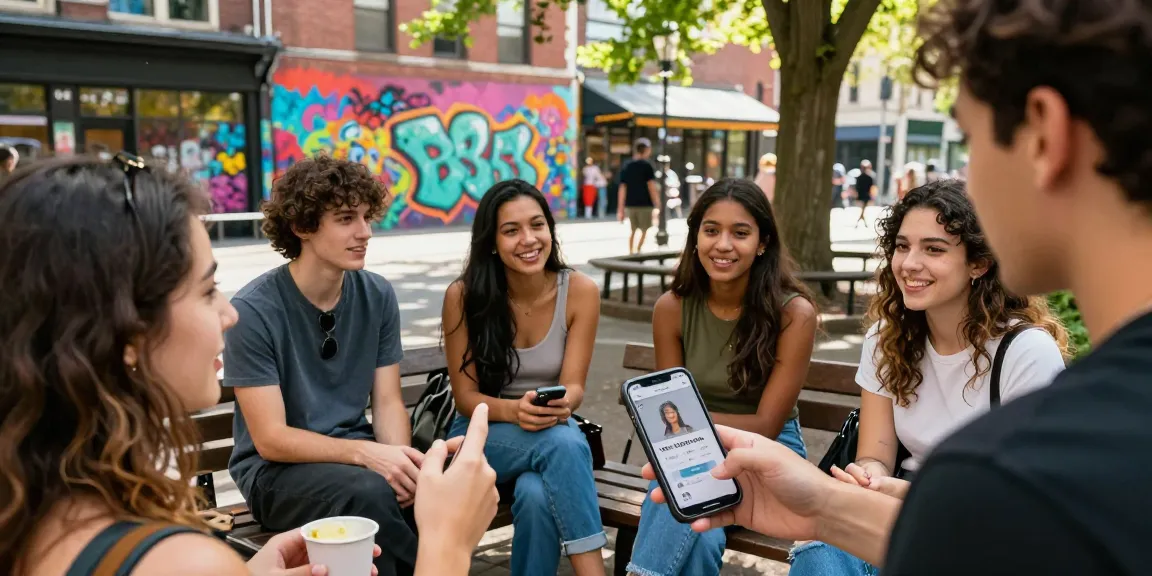
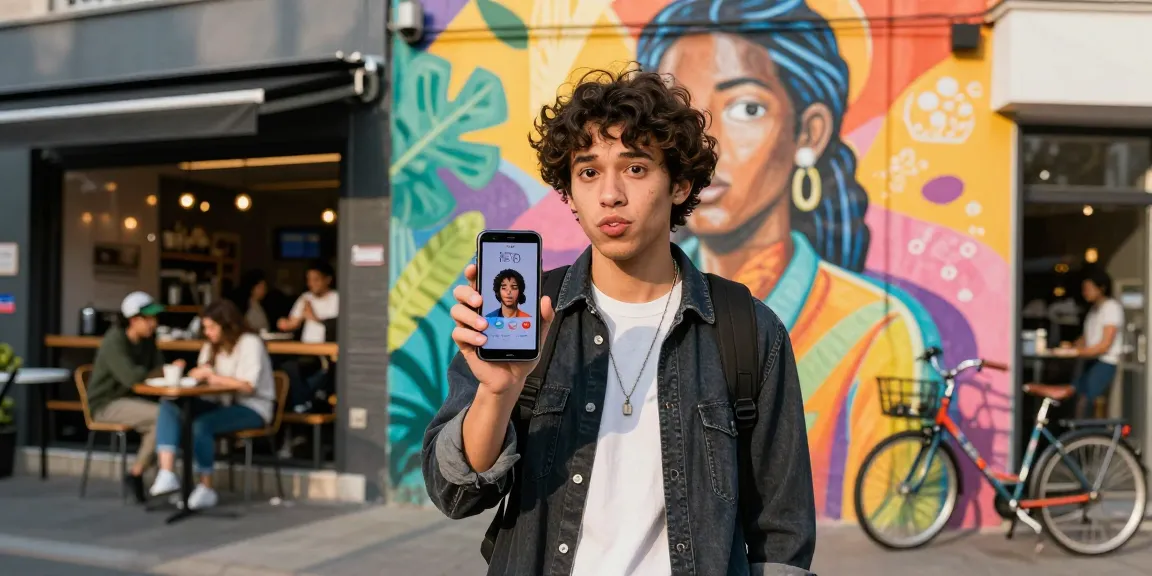
Using age estimation apps or websites can be more than just a curiosity—it's a fun way to engage with friends or even share on social media. Most platforms are user-friendly, allowing you to upload a picture and receive instant feedback on your perceived age. When exploring options, how old do I look provides comprehensive insights for users eager to discover their facial age.
Popular Apps and Websites
- FaceAge.ai: Known for its accuracy and user-friendly interface, allowing users to upload photos for age estimation.
- Fotor: A popular choice with no signup required, making the process quick and straightforward.
- BeautyPlus: Offers a free face age detector with an intuitive design.
- Longevity-Germany: Features advanced algorithms that consider various skin markers.
How to Use a Facial Recognition App
To use a facial recognition app, start by taking a clear photo of yourself or selecting one from your gallery. Ensure appropriate lighting to enhance accuracy, avoiding heavy makeup that might skew results. Once uploaded, wait a moment for the app to analyze your facial features and provide an age estimate.
Sharing Results: What to Expect?
Sharing your results can be a fun activity. You might encounter reactions ranging from surprise to amusement, and it can serve as a great ice breaker in social settings. Be prepared, as some may challenge the accuracy of the tool, leading to friendly debates about perceived versus biological age.
The Science of Aging and Perception
Understanding age perception delves into both biology and social constructs. Factors influencing how old we seem to others can be more complex than just numerical age.
Biological vs. Perceived Age
Biological age refers to the physiological state of our bodies, while perceived age is how others view us based on visual cues. It’s possible for someone to appear younger or older than their actual age due to genetics, lifestyle choices, and environmental factors.
Factors Influencing Age Perception
- Genetics: Family history plays a crucial role in how we age visually.
- Lifestyle: Diet, exercise, sleep, and stress levels significantly impact our skin and overall appearance.
- Environmental Factors: Exposure to sun, pollution, and other elements can accelerate skin aging.
Recent Studies on Facial Recognition and Aging
New research continues to shed light on how we assess age. Studies show that cultural perceptions also influence how old we think someone looks—what is considered youthful in one culture may not hold true in another. Understanding these nuances offers deeper insights into the subjective nature of age perception.
Challenges in Age Estimation
Despite significant advancements, there are challenges associated with age estimation technologies that users should be aware of.
Common Misconceptions About Age Estimation
One common misconception is that these tools provide definitive biological age assessments. While they can give an estimated age, they cannot account for the myriad of factors that contribute to how we age.
Privacy Concerns with Photo Uploads
When using age estimation apps, users must consider privacy implications. Uploading personal photos can lead to potential misuse of images. It is crucial to choose reputable platforms that prioritize user privacy and data security.
Limitations of Current Technology
Current technologies still have limitations in their accuracy due to variations in individual features and external factors affecting facial recognition.
Future Trends in Age Estimation
The future of age estimation looks promising, with ongoing innovations set to enhance the accuracy and functionality of these tools.
AI Innovations and Predictions for 2026
Advancements in AI and machine learning are expected to refine age estimation technologies. Upcoming models could integrate more sophisticated algorithms that better consider individual variations.
How Age Estimation Might Evolve
Future developments may include real-time facial analysis through cameras, providing users with instant feedback as they engage in daily activities, rather than just through uploaded photos.
Implications for Lifestyle and Social Media
As age estimation tools become more accessible, their implications for social media usage and self-image may be profound. Users might approach sharing their images with a newfound understanding of how they are perceived, leading to changes in content creation and personal branding.
What factors do these apps use to determine age?
Apps typically analyze facial markers that correlate with aging, such as fine lines, wrinkles, and skin texture. Features indicating youthfulness or aging—like brightness, clarity, and blemishes—are crucial considerations.
Are there privacy concerns when using age estimation apps?
Yes, privacy is a substantial concern. Users must ensure they select apps that protect their data and provide clear privacy policies regarding photo handling.
Can these tools accurately reflect my biological age?
While these tools use advanced algorithms, they primarily provide estimates based on visual cues and should not be taken as definitive reflections of one's biological age.
What do I do with the results from these apps?
Utilize the results primarily as a fun reflection rather than a serious conclusion. Engaging with friends or using it for discussions can lead to entertaining conversations.
Will the technology behind age estimation improve in the future?
Yes, as research and technology advance, we can expect continued improvements in accuracy, with the potential for even more personalized age estimation experiences.