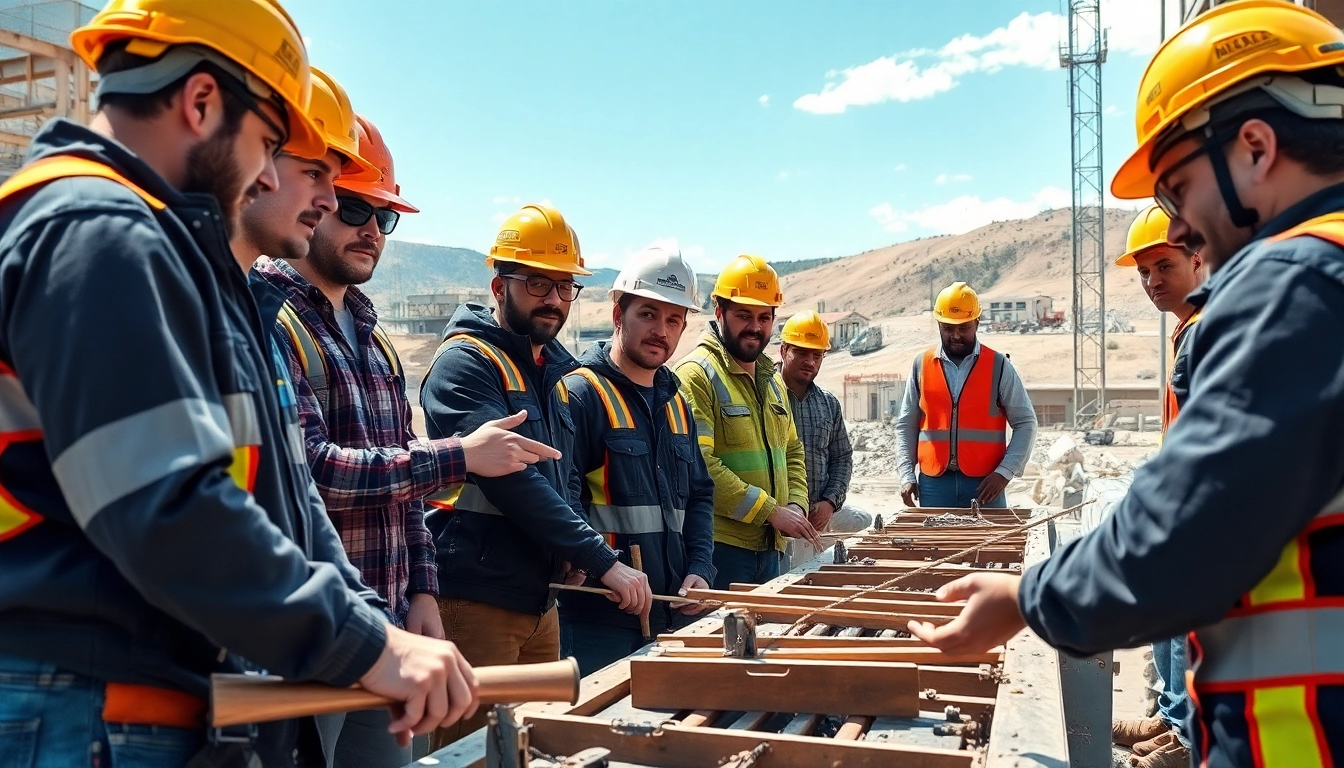
Understanding Construction Workforce Development Colorado
Definition and Importance
Construction workforce development is a strategic approach to enhancing the skills and competencies of individuals within the construction industry. It focuses on developing a skilled workforce that meets the evolving demands of the construction sector. In states like Colorado, where construction is a vital part of the economy, effective workforce development initiatives are crucial to ensuring not only the industry's sustainability but also the growth of local communities.
Workforce development encompasses various aspects, including training programs, apprenticeships, and partnerships among educational institutions, employers, and community organizations. The importance of construction workforce development colorado lies in its ability to address labor shortages, enhance productivity, and improve safety standards across construction projects.
The Current Landscape in Colorado
Colorado's construction industry is experiencing significant growth, fueled by a booming economy and population influx. However, this growth presents challenges, such as a shortage of skilled labor. Recent reports indicate that an increasing number of construction companies in Colorado are struggling to fill skilled positions due to a lack of qualified candidates.
This scenario has prompted various stakeholders, including government agencies, educational institutions, and industry leaders, to implement targeted workforce development strategies. These initiatives aim to equip potential workers with essential skills, streamline pathways into the industry, and foster a culture of lifelong learning among construction professionals.
Key Stakeholders Involved
The successful implementation of construction workforce development programs in Colorado involves a range of stakeholders. Key participants include:
- Government Agencies: State and local governments play a critical role in funding and supporting workforce programs.
- Educational Institutions: Colleges, technical schools, and training organizations provide the necessary educational framework for aspiring construction professionals.
- Industry Associations: Groups like the Colorado Contractors Association advocate for the construction industry and participate in workforce development strategies.
- Employers: Construction companies are essential participants, providing workforce insights and partnership opportunities.
- Community Organizations: Local organizations often help connect disadvantaged populations to training programs, ensuring inclusivity.
Program Structures and Approaches
Types of Workforce Development Programs
In Colorado, a variety of workforce development programs aim to address the needs of the construction industry. These include:
- Apprenticeship Programs: Combine on-the-job training with classroom instruction, allowing participants to earn while they learn.
- Short-Term Training Programs: Focus on specific skills and can be completed in a matter of weeks, enabling rapid entry into the workforce.
- Career Pathways: Structured paths that guide individuals from entry-level positions to advanced roles within the industry.
- Scholarship Opportunities: Financial aid and scholarships for students pursuing construction-related programs to alleviate the burden of tuition costs.
Best Practices in Implementation
Implementing effective construction workforce development programs requires adherence to several best practices:
- Industry Alignment: Programs should be designed in consultation with industry experts to ensure they meet current labor market needs.
- Partnerships: Collaboration between educational institutions and employers is crucial for providing real-world experience and job placement opportunities.
- Continuous Evaluation: Regular assessment of program outcomes helps identify areas for improvement and ensures that training remains relevant.
- Diversity and Inclusion: Efforts must be made to include underrepresented populations, enhancing workforce diversity and fostering an equitable environment.
Challenges and Solutions
While workforce development programs are essential, they often face challenges, such as funding limitations, training inadequacies, and skill mismatches. Possible solutions include:
- Increasing Funding: State and federal grants can help finance training initiatives and provide scholarships.
- Enhanced Curriculum Development: Regularly updating training materials and methods ensures they stay relevant and effective.
- Employer Engagement: Actively involving local employers in curriculum design helps align training with real-world demands.
- Public Awareness Campaigns: Promoting the value of careers in construction can attract more participants to workforce development programs.
Skills Gap and Labor Needs
Identifying Critical Skills for the Industry
The construction industry is continuously evolving, requiring workers to adapt to new technologies and methodologies. Key skills in demand include:
- Technical Proficiency: Familiarity with modern tools and construction techniques is crucial.
- Safety Awareness: Understanding and adhering to safety regulations helps protect workers and reduce accidents.
- Project Management: Skills in project planning and execution are valuable for ensuring projects are completed on time and within budget.
- Communication Skills: Effective communication fosters collaboration among teams and helps prevent misunderstandings.
Labor Market Trends in Colorado
Recent studies highlight several trends influencing the construction labor market in Colorado:
- Increased Demand for Green Construction: Sustainability is becoming a priority, necessitating workers trained in eco-friendly practices.
- Technological Advancements: Automation and BIM (Building Information Modeling) require a workforce adept in new technologies.
- Focus on Diversity: There's a growing emphasis on inclusivity, aiming to attract a more diverse workforce.
- Aging Workforce: Many construction workers are nearing retirement age, creating a gap that needs to be filled by new entrants.
Adapting to Future Workforce Demands
To stay ahead of the curve, workforce development programs must evolve alongside industry changes. Strategies include:
- Investing in Training Infrastructure: Upgrading facilities and equipment ensures that training remains state-of-the-art.
- Collaborative Curriculum Development: Involving industry experts in curriculum design to include emerging technologies and methods.
- Ongoing Professional Development: Providing current workers access to training will help them upskill and adapt to changes.
- Enhancing Support Systems: Offering mentorship and support networks can help new entrants navigate their careers effectively.
Impact on Local Economies
Job Creation and Economic Growth
The impact of a well-trained construction workforce extends beyond individual workers. It contributes significantly to local economies through:
- Increased Employment Opportunities: An expanding construction sector creates a multitude of jobs, both directly and indirectly.
- Enhanced Community Infrastructure: Better-trained workers lead to higher-quality construction, improving public facilities and housing.
- Multiplier Effect: Employed workers contribute to the economy by spending on goods and services, further stimulating growth.
- Attracting Investment: A skilled workforce can attract companies looking to invest in high-quality construction projects.
Community Engagement and Benefits
Active community involvement is essential for the success of workforce development initiatives. Benefits include:
- Strengthening Local Partnerships: Collaborations between employers, schools, and community organizations enhance training effectiveness.
- Building Trust: Transparency and communication with the community foster trust and support for workforce initiatives.
- Empowering Residents: Training programs increase skill levels, empowering locals to participate actively in their community's economy.
- Creating Sustainable Futures: Workforce development is vital for improving living standards and ensuring long-term prosperity.
Success Stories from Colorado Regions
Highlighting successful workforce development initiatives can serve as models for other regions. Some notable examples include:
- Aspen/Pitkin County: A partnership between local schools and contractors to create an apprenticeship program that focuses on sustainable building practices.
- Denver: Implementation of a city-sponsored training program that targets underserved communities, resulting in a notable increase in job placements.
- Boulder: Community workshops offering hands-on training in solar installation, contributing to the green economy.
- Colorado Springs: The establishment of a regional task force that collaborates with universities to adapt curricula based on emerging industry trends.
Future Directions for Construction Workforce Development Colorado
Emerging Technologies in Construction Training
The construction industry is rapidly advancing due to technological innovations. Emerging technologies that will shape workforce development in Colorado include:
- Virtual Reality (VR): VR can provide immersive learning experiences for safety training and complex construction tasks, enhancing skill acquisition.
- Building Information Modeling (BIM): Training in BIM enables workers to better visualize and manage construction projects, increasing efficiency.
- Online Learning Platforms: Online resources offer flexible training options, accommodating various learning styles and schedules.
- Drones: Drones can be used for site surveying, and training on their use will become essential for future professionals.
Policy Recommendations and Advocacy
A supportive policy environment is critical for effective workforce development. Recommendations for policymakers include:
- Increased Funding for Programs: Advocating for state and federal investments in training initiatives will improve accessibility and reach.
- Support for Apprenticeships: Creating incentives for businesses to implement apprenticeship programs can enhance workforce entry points.
- Collaboration with Industry: Encouraging partnerships among stakeholders ensures that programs are relevant and effective.
- Focus on Equity: Policies that promote inclusivity in training programs will help bridge the skills gap for underrepresented communities.
Collaboration with Educational Institutions
Building strong partnerships with educational institutions can significantly enhance workforce development outcomes. Approaches to consider include:
- Curriculum Development: Collaborating with educators to align training curricula with the evolving needs of the industry.
- Internship Opportunities: Establishing internship programs allows students to gain hands-on experience and fosters real-world learning.
- Advisory Boards: Involving industry leaders in advisory roles can ensure that educational programs remain relevant and competitive.
- Scholarship Programs: Encouraging educational institutions to offer scholarships specifically for construction-related fields can attract more students.
FAQs
What is construction workforce development?
Construction workforce development involves training programs, apprenticeships, and partnerships to equip individuals with the skills required for jobs in the construction industry.
Why is workforce development important in Colorado?
Workforce development is vital in Colorado to address the skills gap, meet labor demands, enhance productivity, and support economic growth in the construction industry.
What types of programs exist for workforce development?
Workforce development programs in Colorado include apprenticeship programs, short-term training, and career pathways designed to prepare individuals for various roles in construction.
How can communities engage in workforce development?
Communities can engage in workforce development by fostering partnerships, promoting training opportunities, and supporting initiatives that empower residents with relevant skills.
What challenges does construction workforce development face?
Challenges include funding limitations, skill mismatches, and the need for continuous curriculum updates to keep pace with industry changes.