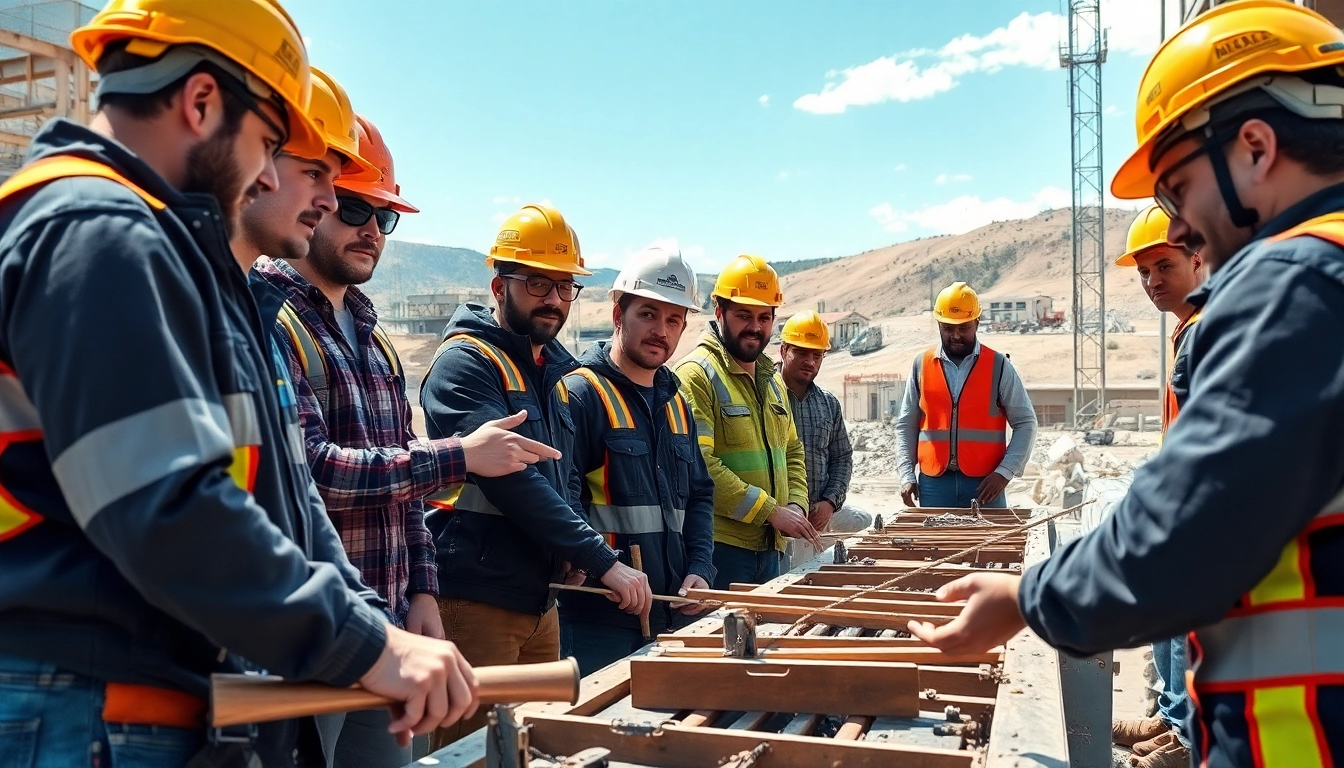
Understanding NCCER Certification san antonio
What is NCCER Certification?
The NCCER (National Center for Construction Education and Research) certification is a nationally recognized credential that assures employers of an individual’s competency in the construction industry. This certification program is designed to standardize the evaluations of the skills and knowledge possessed by workers across various trades. To obtain NCCER certification, individuals must complete rigorous training and demonstrate proficiency in specific tasks related to their field of expertise.
Benefits of NCCER Certification in San Antonio
Receiving an NCCER certification san antonio carries numerous advantages. Primarily, it enhances job prospects, as many employers prefer or even require certification when hiring. Certified individuals often experience higher earning potential, as their credentials signal a commitment to professionalism and skill development. Moreover, the certification opens doors to job titles that may not be available to non-certified workers, contributing to long-term career stability.
Furthermore, NCCER-certified professionals often gain access to exclusive networking opportunities and resources within the construction industry. This can lead to further career advancements and exposure to new job openings within the San Antonio area. Ultimately, having an NCCER certification can set individuals apart in a competitive job market.
Introduction to NCCER Training Programs
NCCER training programs are structured to equip students with the skills they need to succeed in various construction trades. These programs cover a plethora of topics such as electrical systems, plumbing, carpentry, and HVAC, among others. Instruction is offered through both classroom learning and hands-on experience, ensuring that students are prepared for the real-world challenges they may face on the job.
NCCER training is often facilitated by accredited training facilities that have received approval to teach NCCER curricula. Many local trade schools and community colleges in San Antonio offer these programs, making the pursuit of NCCER certification more accessible to aspiring construction professionals in the area.
NCCER Training: Key Components
Courses Offered in San Antonio
San Antonio boasts a variety of NCCER training courses designed to meet the needs of both newcomers and seasoned professionals looking to upgrade their skills. Common courses include:
- Core Curriculum: A foundational course covering essential safety practices, tools, and an introduction to the construction industry.
- Electrical: Focuses on electrical theory, installation, and troubleshooting.
- Plumbing: Covers installation practices, water supply, waste management, and fixtures.
- Carpentry: Teaches framing, finishing, and various woodworking skills.
- HVAC: Provides knowledge on heating, ventilation, air conditioning systems, and their installation.
These courses are tailored to the local job market, ensuring that graduates are well-prepared for employment upon completion.
Important Skills and Knowledge Areas
NCCER training emphasizes both theoretical knowledge and practical skills essential for success in construction trades. Key areas of focus within the training often include:
- Safety Regulations: Understanding OSHA standards and industry safety practices.
- Blueprint Reading: Ability to read and interpret construction plans and specifications.
- Tool Proficiency: Knowledge of various tools used in construction and how to use them safely.
- Problem-Solving Skills: Developing critical thinking to find solutions on the job site.
This comprehensive skillset not only prepares candidates for their certification exams but also makes them more valuable in the job market.
Certification Assessment Requirements
To achieve NCCER certification, candidates must demonstrate their competency through a series of assessments. These typically include:
- Theoretical Exams: Written tests to evaluate knowledge of industry principles and practices.
- Practical Assessments: Hands-on demonstrations to assess skill proficiency in real-world tasks.
Successful completion of these assessments is crucial for obtaining certification and usually involves maintaining a portfolio of work samples and evaluations conducted by certified instructors.
Preparing for Your NCCER Certification Exam
Study Tips and Resources
Preparation for the NCCER certification exam should be methodical. Utilize the following study tips to enhance your readiness:
- Follow a Study Schedule: Create a timeline leading up to your exam date to ensure full coverage of all topics.
- Use Official NCCER Materials: Invest in textbooks and online resources provided by NCCER for accurate content.
- Establish a Study Group: Collaborate with fellow students to discuss concepts and solve problems together.
Additionally, consider reaching out to your instructors for guidance on areas needing additional focus. Online forums and study websites can also provide support and resources.
Practice Tests and Mock Exams
Taking practice tests is a crucial component of effective exam preparation. These tests simulate the format and timing of the actual certification exam, allowing candidates to:
- Identify Weak Areas: Focus on topics that require additional review.
- Boost Confidence: Familiarity with the exam structure can help reduce test anxiety.
Many accredited training centers provide access to mock exams, which can be invaluable in ensuring you are well-prepared for your assessment.
Understanding the Exam Format
Knowing the format of the NCCER certification exam is vital for effective preparation. The exam typically consists of multiple-choice questions and practical components. It is often divided into sections corresponding to the areas covered in your coursework:
- Multiple-Choice Questions: Assess understanding of theoretical concepts.
- Practical Applications: Involve hands-on testing in relevant scenarios.
By studying these discrete sections, candidates can tailor their studies to fit the exam's structure, maximizing their chances of success.
Common Challenges in Obtaining Certification
Time Management Strategies
Balancing certification preparation with personal and professional commitments can be challenging. Effective time management is vital. Here are strategies to help:
- Create a Prioritized List: Identify tasks by urgency and importance.
- Set Clear Deadlines: Assign specific due dates for your study goals and stick to them.
By structuring your time wisely, you can reduce last-minute stress and enhance retention of information.
Overcoming Technical Difficulties
While preparing for certification, candidates may encounter technical barriers related to their trades. To minimize these challenges:
- Seek Help Early: Don’t hesitate to ask instructors or peers for clarification on difficult concepts or skills.
- Use Online Forums: Engage in discussions with other professionals to gain insights and solutions.
Working with others can provide new perspectives and ways of overcoming technical challenges.
Addressing Skill Gaps
Identifying and addressing gaps in skills is crucial for success on the certification exam. To tackle this:
- Self-Assessment: Evaluate your strong and weak areas honestly.
- Focus on Fundamentals: Ensure you understand core principles before moving to advanced topics.
This proactive approach can enhance your overall performance in both the exam and your future career.
Post-Certification Opportunities
Career Paths for NCCER Certified Individuals
Once certified, a myriad of career opportunities become available. Here are some common paths:
- Construction Laborer: Entry-level position with advancement potential.
- Specialized Trade Positions: Roles like electrician, plumber, or HVAC technician.
- Project Management: Overseeing construction projects and teams.
Career growth is also enhanced through certifications in specialized areas, making continuous learning beneficial.
Continuing Education and Recertification
To maintain NCCER certification, practitioners must engage in continued education and periodic recertification. Many employers offer support for professional development, encouraging further training in emerging technologies within the construction industry. Staying updated helps to keep skills relevant and marketable.
Networking within the Industry
Building a professional network is essential for career progression. Networking can include joining professional organizations, attending industry events, and collaborating on projects. Meeting fellow professionals can lead to mentorship opportunities and job referrals, significantly boosting career advancement possibilities.
FAQs about NCCER Certification
What is the cost of NCCER certification?
The cost for obtaining NCCER certification can vary based on the training provider, typically ranging from a few hundred to over a thousand dollars.
How long does it take to get NCCER certified?
The time to achieve certification depends on the course duration, often taking a few months. However, this varies based on individual progress and course structure.
Do I need to renew my NCCER certification?
Yes, NCCER certification is valid for five years, after which recertification through continuing education or additional assessments is required.
Can I complete NCCER training online?
Many training providers offer NCCER courses online, delivering flexibility with study schedules while maintaining comprehensive training standards.
Are there alternative certifications in the construction industry?
Yes, there are various certifications available, such as OSHA certifications, which focus on safety, and other trade-specific credentials depending on the discipline.