Understanding Bed Bug Heat Treatment
What is Bed Bug Heat Treatment?
Bed bug heat treatment is an increasingly popular method for eradicating these pests by exposing them to high temperatures. This process is designed to eliminate all life stages of bed bugs, including eggs, nymphs, and adult insects. The treatment typically involves raising the temperature of infested areas to a lethal level for bed bugs, usually around 120°F to 140°F (49°C to 60°C). Heat treatment has gained traction due to its non-toxic nature, which offers a safer alternative to traditional chemical treatments. For those facing a bed bug infestation, understanding the nuances of bed bug heat treatment can be crucial for effective pest management.
How Does Heat Treatment Work?
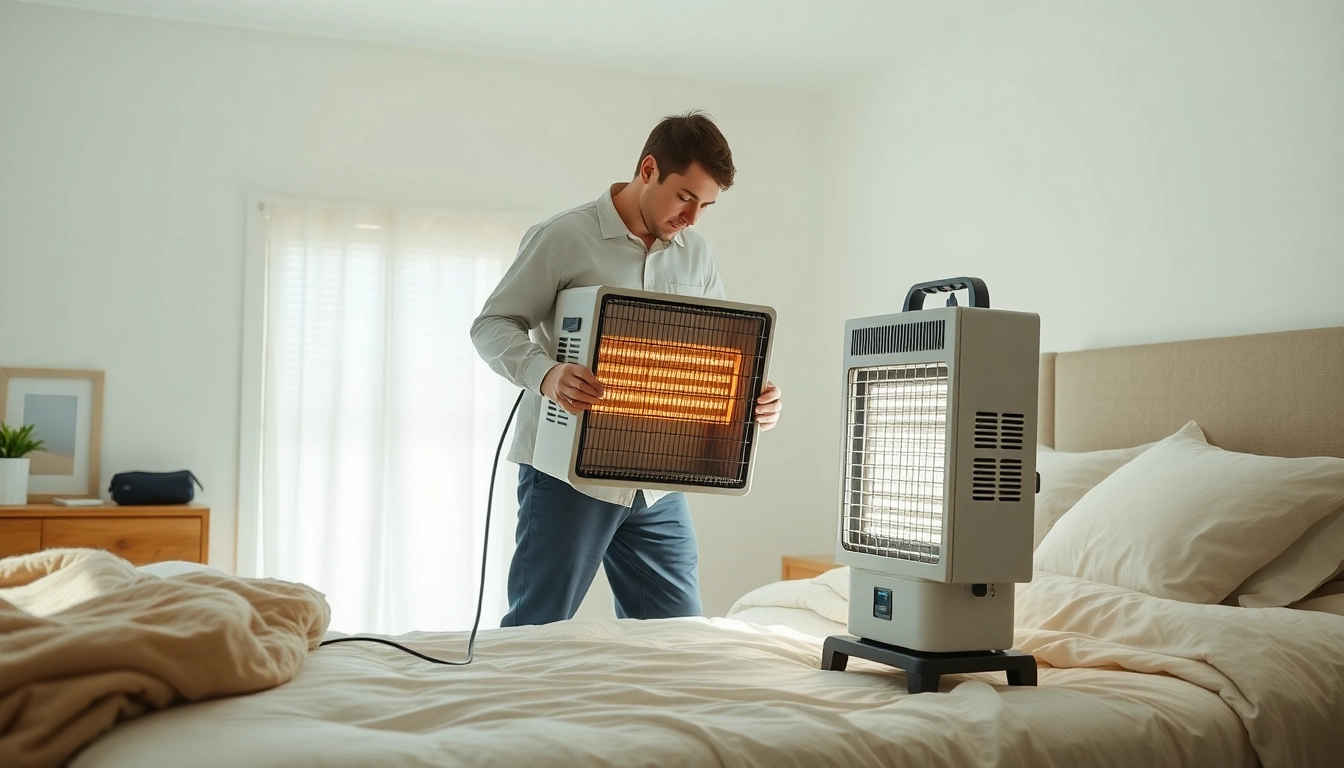
The science behind heat treatment is straightforward: bed bugs cannot survive at elevated temperatures. During the treatment, specialized heaters are employed to increase the ambient temperature within the infested space. The process usually lasts between 6 to 8 hours, during which the heaters must maintain a consistent temperature across all areas. It's essential to ensure that every nook and cranny of infested spaces is reached since bed bugs tend to hide in small, secluded spots. The efficacy of this method lies not only in the temperature but also in the duration of exposure to heat, which is critical to ensuring complete eradication.
Benefits of Bed Bug Heat Treatment
Bed bug heat treatment offers numerous advantages over traditional methods of pest control. Some of these benefits include:
- Non-Toxic Approach: As a chemical-free solution, heat treatment is safe for children and pets.
- Speed: Often, heat treatment can eliminate bed bugs in a single day, making it more efficient than multiple chemical applications.
- Comprehensive Coverage: The heat penetrates places that chemicals may not effectively reach, ensuring a thorough treatment.
- Reduces Chemical Exposure: Homeowners and renters can avoid the potential side effects of strong pesticides.
Preparing for Bed Bug Heat Treatment
What to Expect Before the Treatment
Preparation for bed bug heat treatment is critical to the process's success. Homeowners can expect to work closely with pest control technicians to assess their space and identify infested areas. Technicians may conduct an initial inspection to determine the extent of the invasion. It is vital to discuss any specific concerns with the pest control team to ensure that expectations are clear before treatment begins.
Essential Steps for Preparation
Preparing your home for bed bug heat treatment involves several key steps:
- Clear the Space: Remove all items from the treatment area, including furniture, decor, and personal belongings. This ensures heat can circulate freely.
- Wash Bedding and Clothing: All linens and washable fabrics should be laundered at high temperatures before treatment.
- Vacuum Thoroughly: Vacuum upholstery, carpets, and floors to remove active bugs and clusters.
- Prepare Heat-Resistant Items: Any items that can withstand heat, like metal furniture, can be left in place.
Items to Remove or Protect
Some items may either need to be removed from the treatment area or carefully protected:
- Electronics: TVs, computers, and other electronic devices should generally be removed due to their sensitivity to high temperatures.
- Potted Plants: Plants can be adversely affected by the heat treatment, so they should be relocated.
- Artwork and Antiques: Valuables and delicate items should also be taken out of the treatment areas to avoid potential damage.
During the Bed Bug Heat Treatment Process
Monitoring Temperature Levels
During the treatment, maintaining an optimal temperature range is vital for the success of the process. Technicians will use infrared thermometers and thermal sensors to monitor how heat is distributed throughout the treatment area, ensuring that every section reaches the required temperature for effective pest elimination. This meticulous monitoring helps to avoid cold spots where bed bugs could survive.
Duration and Treatment Areas
The treatment will vary based on the size of the area being treated. Typically, the entire process can take from 6 to 8 hours, during which the heat must remain constant. The estimated time also depends on the severity of the infestation and the materials being treated. Exterior walls and floors may retain heat differently, so technicians will account for these characteristics when planning coverage.
Ensuring Safety During Treatment
Safety is paramount during the heat treatment process. All individuals and pets must vacate the premises to avoid potential heat exposure risks. Technicians will set up safety protocols to ensure that everyone is aware of the treatment timeline. It’s also important to ensure that flammable materials, such as paper products, cleaning agents, and chemicals, are removed from the treatment area prior to heat application.
Post-Treatment Care and Measures
What to Check After the Treatment
Once the treatment is complete, it’s essential to conduct a thorough inspection of the treated areas. Homeowners should check for signs of bed bugs, such as shed skins, eggs, and live insects. It may take a few days after treatment to see any remaining dead insects as they may be hidden within furnishings or fixtures. Technicians may schedule a follow-up visit to ensure the treatment was successful.
Preventing Reinfestation
To prevent reinfestation after a successful heat treatment, consider implementing these strategies:
- Regular Inspections: Conduct monthly or bi-monthly inspections of living spaces.
- Encasements: Use bed bug-proof encasements for mattresses and box springs to protect from future infestations.
- Travel Precautions: Be cautious with luggage when traveling and inspect hotel rooms.
Signs That Indicate Treatment Success
Several indicators can confirm the success of a bed bug heat treatment, including:
- Absence of Live Bugs: A lack of bed bugs seen in treated areas, including eggs and exoskeletons.
- Behavioral Changes: No signs of bites or other infestations occurring in the days following treatment.
- No New Evidence: No blood stains or dark fecal spots appearing on bedding or walls.
Frequently Asked Questions about Bed Bug Heat Treatment
How effective is bed bug heat treatment?
Bed bug heat treatment is highly effective, eliminating all life stages of bed bugs, including eggs, when executed properly. It targets areas that are difficult to reach with chemicals.
What preparation is needed for bed bug heat treatment?
Preparation includes removing items from the infested area, cleaning and washing bedding, and ensuring that all heat-sensitive items are removed or protected.
Can I stay in my home during the treatment?
No, all occupants and pets must vacate the property during the treatment to ensure their safety and the success of the heat application.
How long does the heat treatment process take?
The heat treatment process usually lasts between 6 to 8 hours, depending on the size of the area and the severity of the infestation.
Are there any side effects to heat treatment?
There are no direct side effects for humans or pets, but items sensitive to high temperatures may be damaged if not removed prior to treatment.