Understanding the Significance of bro149 in Urban Culture
The term bro149 has emerged as a pivotal reference point in the evolving landscape of urban culture, particularly within the context of street art and community identity. This article explores the multifaceted layers of bro149, unraveling its origins, implications, and the significant role it plays in shaping urban environments. As urban art becomes increasingly recognized for its cultural value, understanding its elements, including bro149, provides insights into community dynamics and social movements.
What is bro149 and Its Origins?
Bro149 originated within the extensive tapestry of urban art, where artists began to adopt unique identifiers that resonate with local narratives and histories. The term encapsulates a journey through various artistic expressions, heavily influenced by urban experiences and societal conditions. From graffiti tags to more complex mural works, bro149 signifies a collective identity fostered through creativity and collaboration among local artists.
The Role of Mural Art in Community Identity
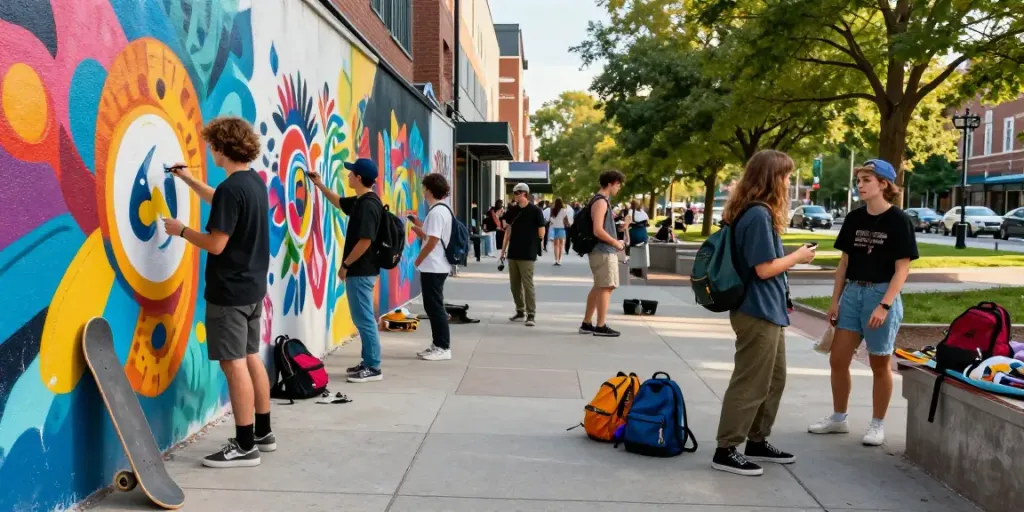
Mural art serves as a powerful medium for expressing community identity, often depicting historical events, cultural symbols, and local heroes. In neighborhoods where bro149 is prevalent, murals become visual narratives that reflect the aspirations and struggles of residents, contributing to a sense of belonging and pride. These public artworks foster dialogue among community members and visitors, bridging gaps across diverse backgrounds.
Key Trends Shaping Urban Art in 2026
As we venture deeper into 2026, several trends are emerging that are shaping the future of urban art. The incorporation of digital technology, innovative styles, and community involvement are just a few of the elements driving this transformation. Notably, the exploration of bro149 is indicative of how urban art is adapting to reflect contemporary issues and artistic trends.
Emerging Styles and Techniques in Muralism
With the advancement of technology and art techniques, modern muralism is witnessing a resurgence of styles that blend traditional methods with contemporary aesthetics. Artists are experimenting with mixed media, incorporating elements such as augmented reality and interactive installations. This fusion not only enhances the visual appeal but also deepens the viewer's engagement with the artwork, making pieces more accessible and relatable.
Technological Influence on Urban Art Creation
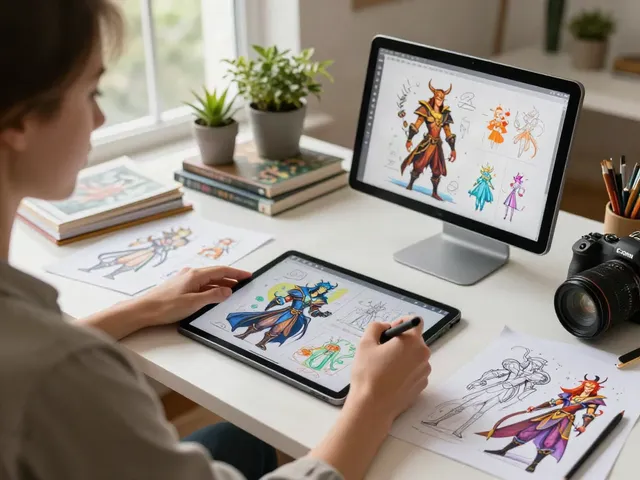
The digital age has ushered in new tools and platforms for artists to explore their creativity. Urban artists now leverage software like Adobe Illustrator and programs for 3D modeling to conceive their ideas before translating them onto public spaces. Moreover, social media platforms are instrumental in amplifying their work, allowing for broader visibility and interaction with global audiences.
Collaborations Between Artists and Local Businesses
In 2026, collaborations between artists and local enterprises are becoming increasingly common. Businesses are recognizing the value of incorporating art into their branding and community outreach initiatives. These partnerships not only beautify urban spaces but also support local artists financially, fostering a vibrant creative economy.
Challenges Faced by Urban Artists
Despite the growth of urban art, creators face numerous challenges, particularly regarding legality and community perception. Understanding these hurdles is crucial for fostering an environment where urban art can thrive.
Legal and Ethical Considerations in Street Art
One of the primary obstacles for urban artists is navigating the complex landscape of laws governing public art. Many cities have stringent regulations concerning graffiti and mural projects, often leading to legal battles over creative expression. Artists must balance their desire for self-expression with the need to adhere to local laws to avoid repercussions.
Funding and Support for Urban Projects
Funding remains a significant challenge for urban art initiatives. Many artists struggle to secure grants or sponsorships for their projects. This lack of financial support can limit the scope and reach of mural projects, leaving artists to seek alternative means of funding through crowdfunding or community donations.
Community Pushback Against Mural Projects
Community perceptions of urban art can be polarized. While many residents embrace murals as a means of beautification, others may view them as vandalism. Urban artists must engage with community members effectively to address concerns and build support for their projects, ensuring that their work resonates positively within the neighborhoods they aim to enhance.
Best Practices for Creating Impactful Murals
Creating murals that resonate with communities requires a thoughtful approach that considers local history, culture, and the needs of residents. Here are some best practices for urban artists:
Incorporating Local History and Culture
Effective murals often draw heavily on the local context, weaving in historical narratives, cultural references, and community stories. This approach not only fosters connections with viewers but also educates them about the area’s rich heritage.
Techniques for Engaging the Community
Community engagement is paramount when creating impactful murals. Artists should involve locals in the design process through workshops and discussions to ensure the artwork reflects collective values and aspirations. This participatory process can cultivate a sense of ownership among community members and increase the likelihood of support for the project.
Strategies for Sustaining Mural Art Projects
Sustaining murals requires ongoing maintenance and community involvement. Establishing a program for regular touch-ups and inviting local volunteers to participate in upkeep can ensure that the art remains vibrant and appreciated over time. Collaborative efforts can also lead to the creation of new murals, further enhancing the community's artistic landscape.
The Future of Urban Art and Its Broader Implications
As urban art continues to evolve, its implications extend beyond aesthetic enhancement. It has the potential to spark social change, stimulate economic development, and foster community engagement.
Predictions for Urban Art in 2030 and Beyond
Looking ahead to 2030, urban art is expected to become even more integral to urban planning and community development. Cities may prioritize art more actively in their public spaces, recognizing its ability to enhance quality of life and social cohesion.
How Global Trends Influence Local Art Scenes
Globalization has created a dialogue between artists from various cultures, allowing for the fusion of styles and ideas. This cross-pollination encourages local artists to innovate and push boundaries, leading to diverse expressions within urban art.
The Potential of Urban Art for Social Change
Urban art holds transformative potential for addressing social issues. Artists can use their platforms to raise awareness about pressing matters such as climate change, inequality, and cultural heritage. By initiating conversations through their work, they can inspire action and mobilize communities toward change.
What are the Benefits of Community Engagement in Art?
Community involvement in urban art projects cultivates deeper connections among residents and fosters pride in their shared spaces. This engagement can lead to healthier, more cohesive communities, as art becomes a catalyst for conversation and collaboration.
How Can Urban Art Be Leveraged for Economic Development?
Investing in urban art can have significant economic benefits. Vibrant murals and public installations attract tourists, thereby boosting local businesses and creating jobs. Cities that embrace urban art can redefine their image and appeal to new audiences seeking unique cultural experiences.
What Trends Should Artists Watch in 2026?
Artists should remain cognizant of several trends shaping the urban art landscape, including the integration of augmented reality, sustainability in materials, and the increasing demand for interactive public art. Staying attuned to these trends can enable artists to position themselves effectively within this dynamic environment.