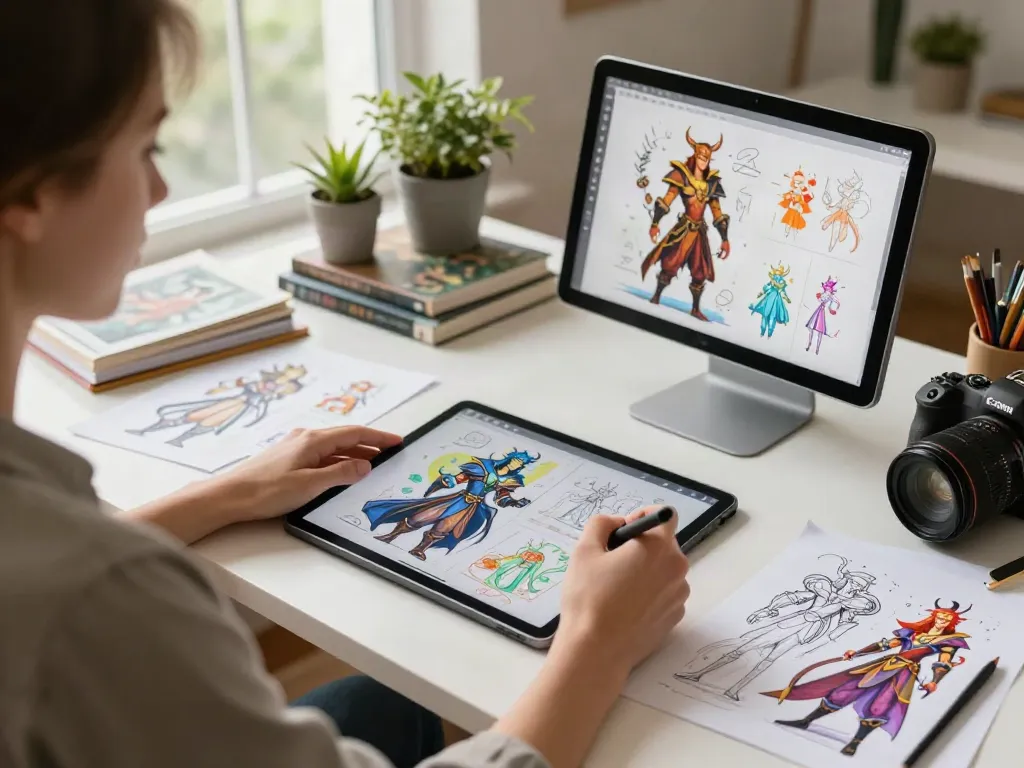
Understanding AI Character Sheet Generators
In the realm of digital artistry and character design, the advent of AI character sheet generators has revolutionized how creators develop and visualize their characters. These tools leverage advanced machine learning algorithms to automate the process of generating detailed character sheets, making it easier for artists, writers, and game developers to bring their imaginative creations to life. By understanding what these tools are and how they function, creatives can harness their potential to enhance their workflows and produce compelling character designs.
What is an AI Character Sheet Generator?
An AI character sheet generator is a software tool that utilizes artificial intelligence to create visual representations of characters based on user-defined parameters. These generators typically allow users to input various attributes such as physical characteristics, clothing styles, and personality traits, which the AI then uses to generate a comprehensive character sheet. These sheets often include multiple angles, expressions, and poses, providing a robust reference for creators.
Key Features and Functions
- Customizability: Users can tailor character attributes, including age, ethnicity, and style, resulting in unique designs.
- Multi-View Representation: Many AI generators can produce character sheets that display front, side, and rear views, essential for consistent character portrayal.
- Quick Iteration: The speed of AI allows for rapid prototyping, enabling creators to experiment with different designs without starting from scratch.
- Automated Expression Generation: Some tools can generate various facial expressions, making it easier to showcase a character’s emotional range.
Who Can Benefit from Using One?
AI character sheet generators can benefit a wide range of professionals and enthusiasts, including:
- Game Developers: For creating diverse and consistent character assets in video games.
- Animators: To generate reference sheets that streamline animation processes.
- Writers: For visualizing characters in novels or scripts, aiding in storytelling and character development.
- Content Creators: On platforms like YouTube or Twitch, where unique character designs can enhance branding.
Getting Started: Using AI Character Sheet Generators
As the demand for quality character designs increases, many creators are turning to AI character sheet generators to streamline their processes. However, it’s crucial to understand how to effectively leverage these tools to maximize their potential.
Choosing the Right Tool for Your Needs
The first step in utilizing an AI character sheet generator is selecting the appropriate tool that aligns with your specific needs. Consider factors such as:
- Features: Does the tool provide customizable options for character traits, expressions, and poses?
- User Interface: Is the platform intuitive and easy to navigate?
- Output Quality: Are the generated images high-quality and suitable for your intended use?
- Community Support: Does the tool have a community or resources for troubleshooting and inspiration?
Setting Up Your First Character Sheet
Once you've chosen a character sheet generator, setting up your first project is typically straightforward. Most platforms entail the following steps:
- Input Parameters: Enter your character’s details, including physical traits and personality attributes.
- Select Visual Style: Choose the art style that best matches your vision, whether it’s cartoonish, realistic, or anime.
- Generate Character Sheet: Use the AI to create a visual reference, and review the output.
- Adjust and Refine: Make necessary adjustments to parameters based on the initial output to hone in on your desired design.
Common Mistakes to Avoid
While AI character sheet generators simplify the design process, there are potential pitfalls to be aware of:
- Over-reliance on AI: Don’t depend solely on AI for creativity; use it as a tool to enhance your artistic vision.
- Ignoring Feedback: Always seek feedback from peers or audiences to refine your designs further.
- Forgetting the Narrative: Ensure that the character design aligns with their backstory and personality traits, enhancing the storytelling aspect.
Enhancing Your Character Design Workflow
AI character sheet generators can significantly enhance your design workflow, especially when combined with traditional techniques.
Integrating AI with Traditional Design Techniques
Many artists find success by using AI-generated characters as a starting point rather than a final product. By sketching over AI outputs or incorporating hand-drawn elements, artists can infuse their unique style while benefiting from the efficiency of AI.
Best Practices for Consistent Character Design
To maintain consistency across character designs, consider implementing these best practices:
- Develop a Style Guide: Create a reference that outlines your character’s traits, color schemes, and design motifs.
- Utilize Layers: In your design software, keep elements on separate layers to make adjustments easier without starting over.
- Regular Revisions: Iteratively review and update your character sheets as necessary to ensure alignment with the evolving narrative.
Case Studies: Successful Character Creations
Examining real-world applications of AI character sheet generators can provide valuable insights. For example, indie game developers have utilized these tools to create diverse, visually stunning characters for their games in a fraction of the time traditionally needed. By incorporating user feedback into the design process, developers can refine character aesthetics and narratives, ultimately leading to more engaging player experiences.
Exploring Advanced Features and Customization
To truly maximize the potential of AI character sheet generators, delving into advanced features can yield exciting results.
Custom Prompts for Unique Character Designs
Creating custom prompts tailored to your vision allows you to push the boundaries of what AI can generate. Specify unique traits or characteristics not commonly represented in mainstream media, resulting in innovative character designs that stand out.
Leveraging AI for Dynamic Adaptations
AI character generators are not just limited to static designs. By using tools that support dynamic adaptations, you can generate characters that change based on context. For instance, AI can produce different outfits or expressions depending on the scenario, enhancing storytelling and interactivity.
Future-proofing Your Character Designs for Different Media
As technology advances, character designs will also need to adapt. Consider developing your characters in a modular way, allowing for easy transitions between applications—be it games, comics, or animations. This approach ensures characters retain their core identity while being flexible enough to fit various mediums.
The Future of AI in Character Design
The landscape of character design is evolving rapidly. AI technologies are expected to play an even more significant role in the coming years, presenting both opportunities and challenges.
Emerging Trends in 2026 and Beyond
As we look towards 2026, several trends are poised to shape the character design landscape:
- Increased Personalization: Tools that allow for more personal input will become standard, enabling creators to drive their own creative processes.
- Interactivity in Design: Character designs will likely evolve to accommodate interactive storytelling, where audiences can influence character traits and responses.
- Collaboration between AI and Artists: A hybrid model where artists and AI co-create will lead to richer, more diverse character landscapes.
Ethical Considerations in AI Character Creation
As with any technology, the ethical implications of AI character creation cannot be overlooked. Issues such as copyright, originality, and representation will require thoughtful consideration by creators and developers alike. It is essential to ensure that AI-generated content does not perpetuate stereotypes or infringe upon existing intellectual property rights.
Preparing for New Technologies and Tools
The pace of technological advancement means that staying ahead of trends is crucial. By continuously learning about new tools, attending workshops, and participating in relevant communities, creators can ensure they remain at the forefront of character design innovations.