Understanding Gold Purity and Types
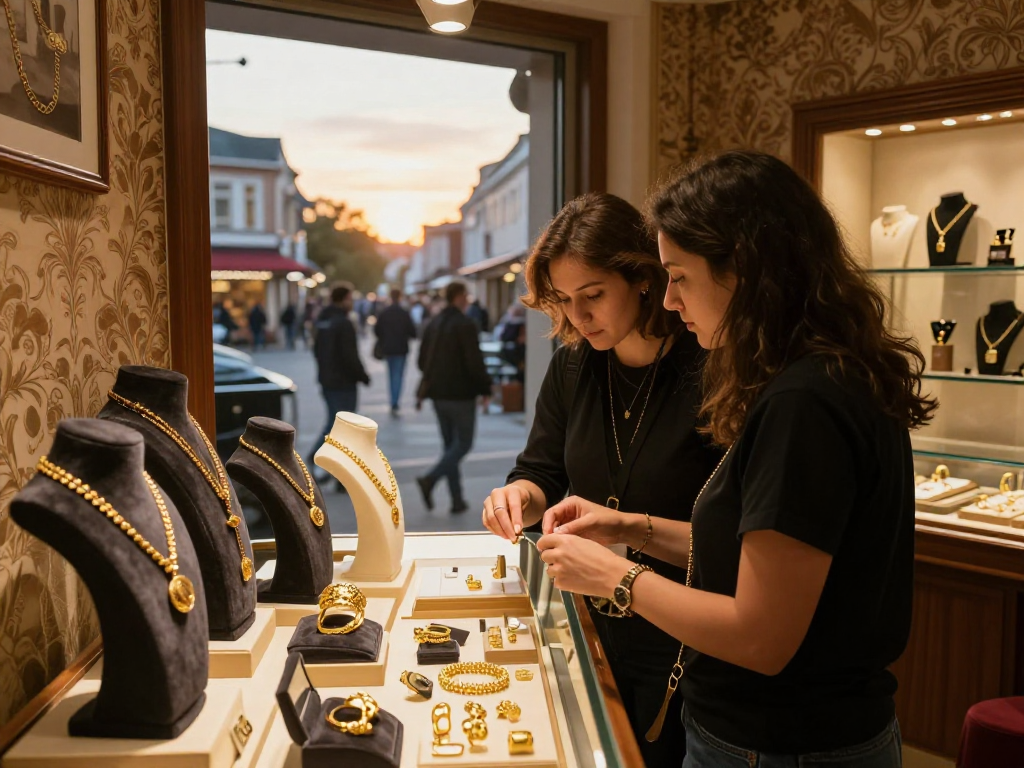
When investing in gold, it's essential to understand the different purities and forms of gold available in the market. Gold is measured in karats, with 24K representing pure gold. However, there are various other types, including 22K, 21K, and 18K, that may be more suitable depending on your needs and preferences. Each type has its own significance in terms of value, durability, and intended use. mantra88 provides comprehensive insights into these differences, ensuring that buyers make informed choices.
What is 24K Gold and Other Purities?
24K gold is the purest form of gold available, containing 99.9% gold content. This type is often sought after for investment purposes because it does not tarnish and retains its value over time. In contrast, 22K gold contains 91.67% gold and is typically used for making jewelry due to its enhanced durability. Similarly, 21K and 18K gold contain 87.5% and 75% gold, respectively, with the remaining percentages comprising other metals to increase strength.
Common Misconceptions About Gold Quality
One common misconception is that the higher the karat, the better the gold. While 24K gold is the most malleable and ductile, it may not be ideal for jewelry that is worn frequently. Higher purity levels can lead to scratches and dents. Additionally, some buyers mistakenly believe that color differences indicate quality, when, in fact, they may be due to alloy compositions.
Choosing the Right Type of Gold for Your Needs
When selecting the right gold, consider your purpose. If it's for investment, 24K gold is advisable. For daily wear rings or intricate jewelry pieces, 22K or 18K might be preferable as they are more resistant to damage. Always assess your lifestyle and how regularly you'll wear the jewelry before making a decision.
Current Market Trends Affecting Gold Prices
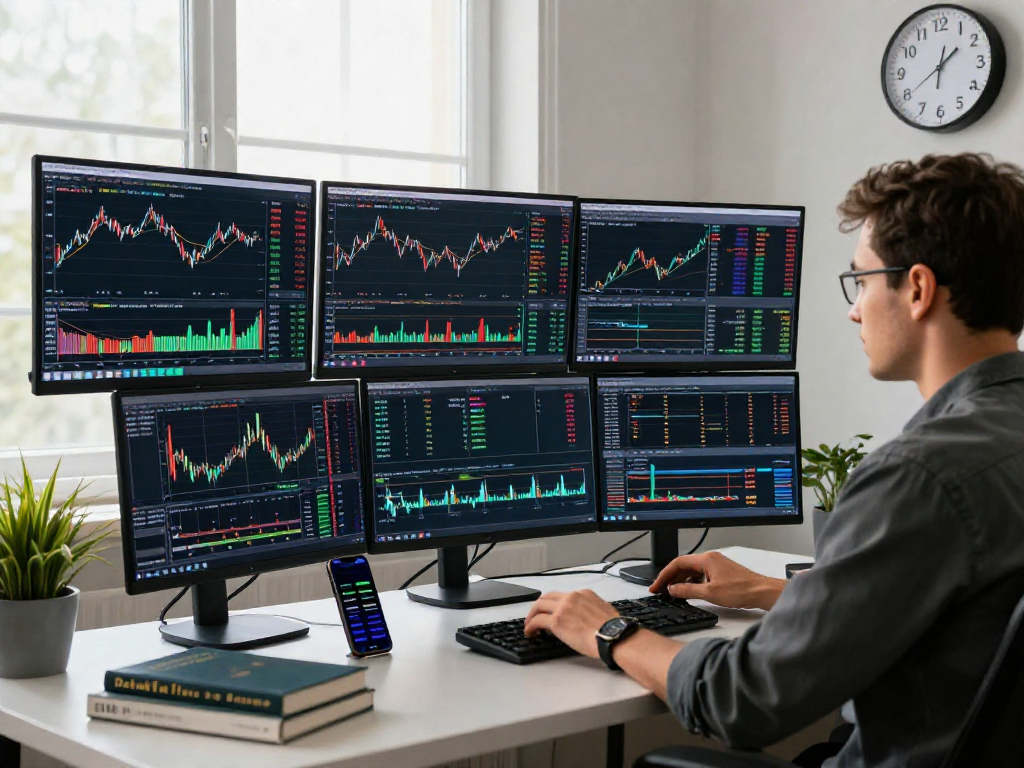
The gold market is influenced by various factors that can cause daily fluctuations in prices. Economic events, geopolitical tensions, global market trends, and currency fluctuations, particularly between the USD and BHD, play critical roles in determining the price of gold. Regular updates and insights from reliable sources are crucial for keeping track of these changes.
Factors Influencing Daily Gold Rate Changes
Gold prices vary daily due to several key factors. These include inflation rates, interest rates, and overall economic stability. For instance, in times of economic uncertainty, many investors flock to gold as a safe haven, driving prices up. Similarly, changes in currency strength can impact how gold is priced globally.
The Role of Global Markets and Currency Fluctuations
The USD/BHD exchange rate significantly affects gold prices in Bahrain. A stronger USD typically results in higher gold prices locally, as gold is often priced against the dollar. Therefore, fluctuations in the currency market can directly influence how much consumers pay for gold products.
How Inflation Impacts Gold Value in Bahrain
Gold is often considered a hedge against inflation. In periods of rising inflation, the price of gold tends to increase, as its perceived value rises among investors. This correlation makes it crucial for buyers in Bahrain to monitor economic indicators and inflation rates to anticipate potential price hikes in gold.
Buying and Selling Gold: Best Practices
To ensure a successful transaction when buying or selling gold, it's vital to employ best practices that safeguard your investment. Understanding market dynamics and pricing can help you navigate the complexities of gold transactions efficiently.
Essential Tips for Safe Transactions
When engaging in gold transactions, always seek reputable dealers with a solid track record. Verify their credentials and ensure they provide clear valuations and estimates. Avoid dealing in cash transactions when possible, as this can lead to issues in traceability. Additionally, request written appraisals to document the quality and value of the gold being transacted.
Understanding Buyback Policies and Procedures
Before selling your gold, familiarize yourself with the buyback policies of the establishment you're selling to. Each dealer may have different terms regarding returns and exchanges. Understanding these policies beforehand can prevent misunderstandings and ensure a smoother selling process.
Key Factors in Calculating Gold Value
The value of gold is determined by its weight, purity, and the current market price. To get an accurate estimate, weigh your gold and check the daily market rate for its purity level. Many dealers provide calculators and tools to assist you in accurately assessing the value of your gold before making a sale or purchase.
Common Buyer Mistakes and Avoiding Scams
Buyer education is key to avoiding pitfalls in the gold market. Many first-time buyers make mistakes that can lead to financial losses or dissatisfaction with their purchases.
Red Flags When Purchasing Gold Jewelry
Be cautious of prices that seem too good to be true. If a deal appears too attractive, it likely is. Additionally, avoid purchasing gold without proper documentation that verifies its authenticity and quality. Always request certificates of authenticity when buying from jewelers or dealers.
Ensuring Authenticity: Verification Steps
To verify the authenticity of gold jewelry, look for hallmark stamps indicating purity levels. You can also use a magnet to check; real gold should not be magnetic. Some buyers use acid tests for verification, but it’s recommended to have professional evaluations for significant investments.
How to Avoid Overpaying for Gold
Research is essential. Always compare prices from different dealers and consider the current market rates before making a purchase. Keeping abreast of gold trends can empower you to negotiate better deals and avoid overpaying for your investments.
Future of Gold Sales in Bahrain (2026 and Beyond)
The gold market is expected to evolve significantly in the coming years, influenced by technological advancements and shifts in consumer preferences.
Emerging Trends in Jewelry Preferences
As consumers become more environmentally conscious, trends in sustainable and lab-created gold jewelry are gaining popularity. Buyers are increasingly seeking ethically sourced materials, influencing how traditional gold dealers operate.
Impact of Digital Transactions on Gold Sales
Digital transactions are reshaping the gold sales landscape, offering convenience and broader access to the market. Many dealers are adapting their services to include online purchases and sales, providing consumers with a seamless buying experience.
Predictions for Gold Prices and Market Demand
Experts predict that global demand for gold will remain strong due to its investment appeal and role as a hedge against economic instability. As such, prices may continue to rise, particularly in regions like Bahrain, where cultural significance attached to gold remains prevalent.
What is the current gold price in Bahrain?
The current gold price fluctuates daily based on global market conditions and local demand. For the latest rates, consumers should regularly check reliable sources that update prices in real-time.
How can I verify the quality of gold jewelry?
To verify gold quality, look for hallmark stamps and certifications. You can also use weight measurements along with known market rates for a more specific valuation.
What are the best practices for selling my gold?
Research reputable dealers, understand market prices, and ensure you receive written appraisals of your gold before proceeding with resale.
How often do gold prices change?
Gold prices can change multiple times a day, reflecting ongoing trading developments in international markets.
What should I consider when investing in gold?
Consider the purity, form (jewelry vs. bullion), and potential storage and insurance costs when investing in gold. Additionally, monitor market trends and seek advice from reputable sources.