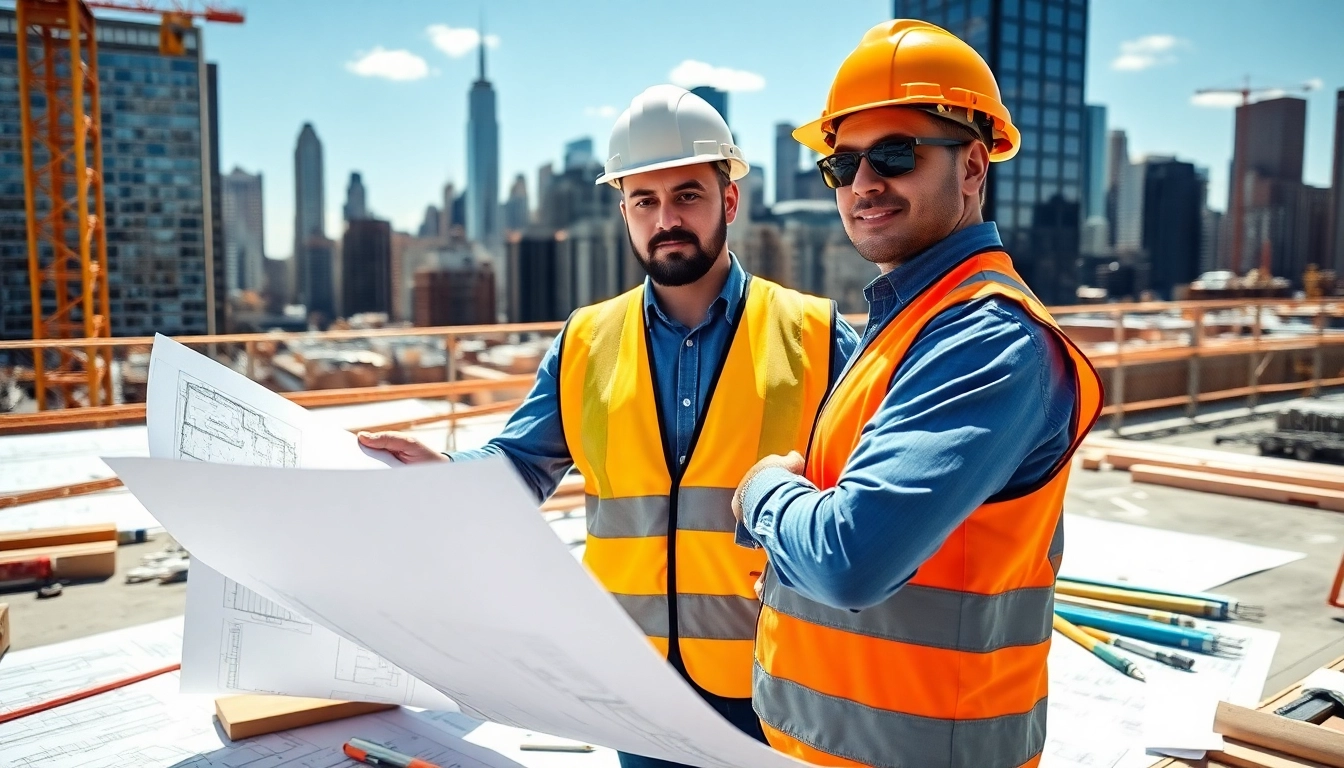
Understanding the Role of a Manhattan Commercial General Contractor
A Manhattan Commercial General Contractor plays a pivotal role in the construction landscape of one of the most bustling cities in the world. Their expertise spans various functions essential for the successful execution of construction projects, whether they involve modern skyscrapers, expansive office spaces, or intricate renovations. This article delves into the essential functions and responsibilities of a commercial general contractor in Manhattan, the benefits of hiring one, and the factors to consider when selecting a contractor for your next project.
The Essential Functions of a General Contractor
At the core of construction project management, a commercial general contractor serves as the primary point of contact for various stakeholders, including clients, subcontractors, suppliers, and local authorities. Their main functions include:
- Planning: General contractors develop detailed project plans that outline timelines, budgets, materials, and workforce needs.
- Coordination: They coordinate the efforts of various subcontractors, ensuring that each team knows its roles and responsibilities.
- Compliance: Ensuring adherence to local regulations and building codes is a high priority, as violations can lead to project delays and fines.
- Quality Control: Contractors are responsible for maintaining high-quality standards throughout the project lifecycle, conducting inspections to ensure work meets specified criteria.
- Problem Solving: Issues frequently arise during construction; contractors must be skilled problem solvers, quickly addressing challenges as they surface.
Key Responsibilities in Manhattan Construction Projects
The responsibilities of a Manhattan commercial general contractor extend beyond managing construction tasks. Key responsibilities include:
- Budget Management: Keeping projects within budget while maintaining quality often requires strategic decision-making about resources and materials.
- Contract Management: This involves negotiating terms with subcontractors and suppliers while ensuring compliance with all contractual obligations.
- Safety Management: General contractors are responsible for implementing safety protocols to prevent accidents on the job site, safeguarding workers and bystanders.
- Progress Reporting: They must provide regular updates to clients regarding project status, budget expenditures, and timeline adherence.
Benefits of Hiring a Manhattan Commercial General Contractor
Hiring a Manhattan commercial general contractor offers several advantages that can significantly enhance the success of a construction project:
- Expertise and Experience: Contractors bring invaluable experience in navigating the complexities of construction projects, especially in urban settings.
- Local Knowledge: They possess insights into local regulations, building codes, and zoning laws, reducing the risk of compliance-related issues.
- Network of Professionals: A competent contractor has established relationships with subcontractors and suppliers, ensuring reliable collaboration and sourcing of materials.
- Time Efficiency: By managing schedules and workflows effectively, general contractors can minimize construction time and expedite project completion.
- Stress Reduction: Entrusting project management to a professional allows clients to focus on their business or personal commitments without the burden of day-to-day oversight.
Choosing the Right Manhattan Commercial General Contractor
Selecting the right commercial general contractor is a critical decision that can impact the entire outcome of your construction project. Here's how to make an informed choice:
Factors to Consider When Selecting a Contractor
When evaluating potential contractors, consider the following factors:
- Experience and Specialization: Look for contractors with significant experience in commercial projects similar to yours, especially in Manhattan's unique building landscape.
- Licenses and Insurance: Verify that the contractor is properly licensed and insured, protecting you from potential liabilities.
- Reputation: Research online reviews and get referrals from other businesses to assess a contractor's reliability and quality of work.
- Financial Stability: A financially sound contractor is more likely to complete your project on time and within budget.
Reviewing Contractor Credentials and Experiences
Credentials like licensing, bonding, and insurance are essential. Additionally, ask for and review:
- Project Portfolios: Examine past projects similar in scope to understand the contractor's quality and capability.
- References: Speak with previous clients to gauge their satisfaction with the contractor's performance.
- Case Studies: Detailed case studies can provide insight into a contractor's approach, problem-solving abilities, and success rates.
Client Testimonials and Case Studies
Reading client testimonials can help you gauge the contractor's reliability, professionalism, and quality of work. Look for testimonials that highlight:
- Timeliness: Was the project completed on time?
- Budget Adherence: Did the contractor stay within budget?
- Communication: Did they maintain clear communication throughout the project?
Case studies can further illustrate how the contractor handled challenges and what strategies were implemented to achieve successful outcomes.
Popular Services Offered by Manhattan Commercial General Contractors
Manhattan commercial general contractors offer a range of services tailored to various client needs. Here are some of the most common services:
Renovation and Remodeling Services
Renovations can breathe new life into older buildings, enhancing both aesthetic appeal and functionality. Contractors typically manage:
- Interior Remodeling: Modernizing space to meet current standards and client requirements.
- Exterior Improvements: Enhancements that boost curb appeal or functional outdoor spaces.
- Adaptive Reuse: Transforming older spaces (e.g., warehouses) into modern offices or retail spaces.
New Construction and Ground-up Projects
These projects require comprehensive planning and execution, from initial design to final inspection. Key elements include:
- Site Preparation: Clearing and preparing the site for construction.
- Foundation Work: Laying solid foundations that ensure the longevity and stability of the building.
- Structural Framing: Constructing frameworks that support the building.
Project Management and Consultation
Many contractors provide consultation services, offering insights that can help streamline the construction process. This includes:
- Feasibility Studies: Assessing the practicality of proposed projects before significant investments are made.
- Resource Allocation: Strategically allocating labor and materials to maximize efficiency and minimize costs.
- Timeline Development: Creating realistic timelines that align with project scopes and milestones.
Trends in Commercial Construction in Manhattan
The commercial construction landscape is continually evolving. Here are some trends shaping it in Manhattan:
Sustainable Building Practices
There is a significant shift towards sustainability in construction, driven by both regulations and client demands. Sustainable practices include:
- Green Building Materials: Utilization of materials that have a minimal environmental impact.
- Energy Efficiency: Implementing systems that reduce energy consumption, such as solar panels and high-efficiency HVAC systems.
- Water Conservation: Designing buildings that minimize water use, such as rainwater harvesting systems.
Technology Integration in Construction
Advancements in technology are revolutionizing construction processes, allowing for greater efficiency and accuracy. This includes:
- Building Information Modeling (BIM): A digital representation of physical and functional characteristics to enhance collaboration.
- Drones: Used for site surveys and inspections, offering real-time data and aerial views of projects.
- Construction Management Software: Tools that help in tracking progress, managing budgets, and improving communication.
Design Innovations Shaping Manhattan’s Skyline
Manhattan's skyline is continually evolving, influenced by design innovations such as:
- Mixed-Use Developments: Combining residential, commercial, and recreational spaces to create vibrant communities.
- Adaptive Reuse Projects: Creative transformations of existing structures into modern uses, preserving historical elements.
- High-Rise Living: The trend towards vertical living solutions offering amenities and stunning views is growing.
Frequently Asked Questions
1. What does a Manhattan Commercial General Contractor do?
A Manhattan Commercial General Contractor oversees construction projects, managing schedules, budgets, and compliance with regulations, ensuring successful project completion.
2. How do I choose the best General Contractor in Manhattan?
Consider experience, reviews, credentials, and previous project outcomes to select the best contractor for your unique needs and project specifications.
3. What are the costs associated with hiring a Commercial General Contractor?
Costs vary based on project size, complexity, and contractor experience; obtaining multiple quotes for comparison is advisable to ensure a fair price.
4. How long does a typical commercial construction project take?
Project duration depends on size and scope; small renovations could take weeks, while larger new buildings may require several months to complete.
5. Are Manhattan Commercial General Contractors licensed?
Yes, licensed Manhattan Commercial General Contractors comply with local regulations and possess the essential qualifications to operate legally and effectively.