Understanding Roof Cleaning and Its Benefits
What is Roof Cleaning?
Roof cleaning is the process of removing dirt, moss, algae, and other contaminants from the surface of a roof. This cleaning is essential for maintaining the integrity and appearance of roofing materials, which can deteriorate over time due to these harmful elements. Regular maintenance not only enhances the roof's aesthetics but also extends its lifespan, preventing costly repairs in the future. You might consider professional Roof Cleaning services that utilize specialized techniques and eco-friendly solutions.
Benefits of Regular Roof Cleaning
Regular roof cleaning offers numerous benefits, including:
- Preventing Damage: Removing debris and contaminants can prevent water damage caused by blocked gutters or water pooling on the roof.
- Extending Roof Lifespan: Cleaning your roof can prolong its life by preventing the growth of harmful microorganisms that deteriorate roofing materials.
- Improved Energy Efficiency: A clean roof reflects sunlight better, reducing heat absorption in warmer months, which can lessen air conditioning costs.
- Aesthetic Appeal: A clean roof enhances the overall appearance of your home, potentially increasing its market value.
- Health Benefits: Removing mold and algae can improve indoor air quality and prevent respiratory issues.
Common Roof Contaminants
There are several common contaminants that can accumulate on roofs, including:
- Moss and Algae: Thriving in humid conditions, these can retain moisture, leading to deterioration.
- Fungi and Mold: These not only affect the roof's integrity but can also contribute to health problems.
- Debris: Leaves, twigs, and other rubble can obstruct gutters and create pooling water.
- Stains: Various environmental factors can lead to unsightly stains that diminish curb appeal.
Different Roof Cleaning Methods
Soft Washing vs. Pressure Washing
Two primary methods of roof cleaning are soft washing and pressure washing:
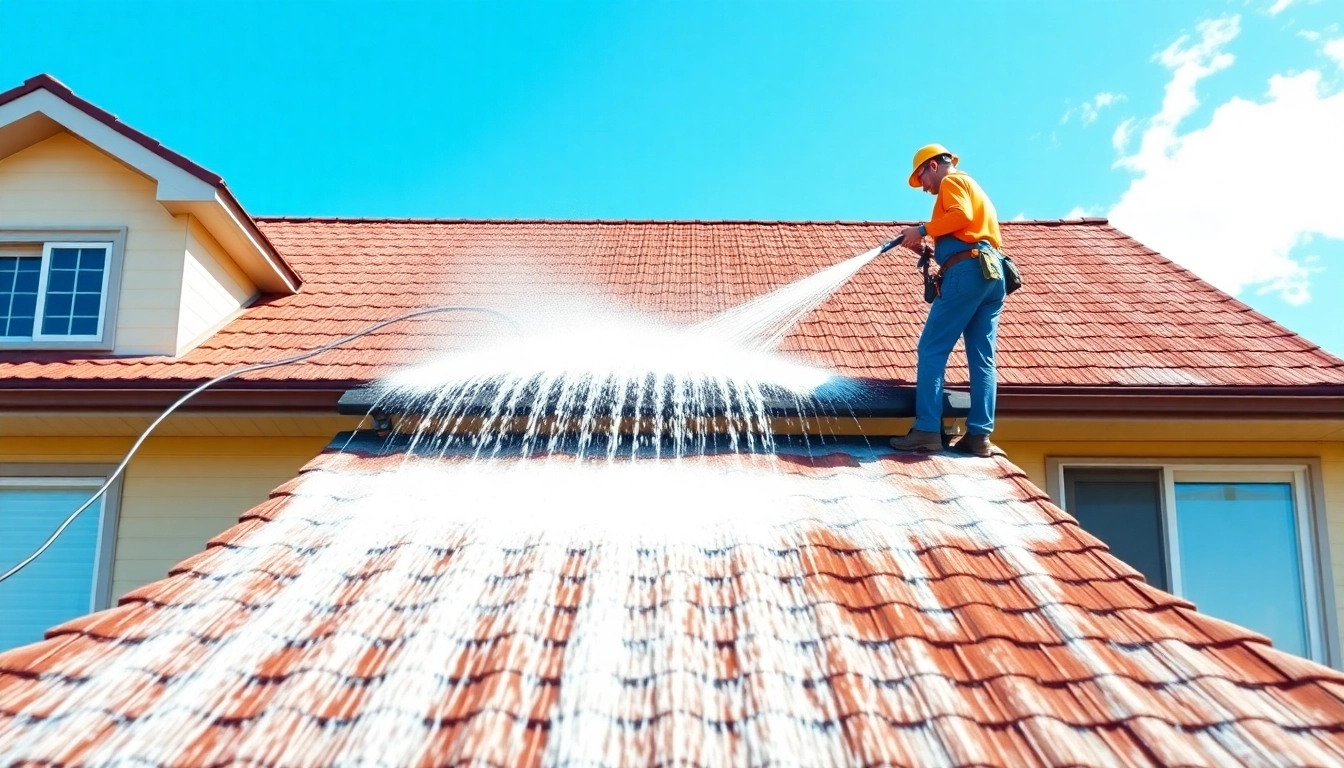
- Soft Washing: This method uses low-pressure water combined with biodegradable cleaning solutions to gently remove harmful elements without damaging the roof's surface.
- Pressure Washing: While more efficient for some surfaces, this method can be too aggressive for delicate roofing materials, leading to potential damage.
Choosing the right method depends on the type of roof and the contaminants present. Soft washing is typically preferred for most residential roofs due to its safety and effectiveness.
Eco-Friendly Cleaning Solutions
Utilizing eco-friendly cleaning solutions is crucial in today's environmentally conscious landscape. These solutions effectively combat mold, mildew, and algae while minimizing environmental impact. Professionals often choose biodegradable or plant-based agents that safely degrade without harming local flora and fauna. Selecting eco-friendly products provides peace of mind, knowing that your cleaning methods won’t contribute to pollution or harm surrounding ecosystems.
Choosing the Right Method for Your Roof
The roof cleaning method you choose should depend on several factors, including:
- Type of Roof: Different roofing materials—such as asphalt shingles, tiles, or metal—require unique approaches.
- Severity of Contamination: Heavily stained roofs may benefit from pressure washing, while lightly soiled ones can be effectively cleaned using soft washing.
- Climate: Areas with high humidity may require more frequent cleaning to combat algae growth.
Consulting with professionals can aid in determining the best cleaning method tailored to your specific roof needs.
How to Prepare for Roof Cleaning
Inspection and Assessment
A thorough roof inspection is vital before any cleaning effort. Check for visible damages, missing shingles, or other wear and tear that cleaning could exacerbate. It's important to assess the type of contaminants present and their extent. This assessment should guide the choice of cleaning method.
Safety Precautions
Safety should always be a priority. If undertaking a DIY roof cleaning, wear appropriate safety gear, including non-slip shoes, gloves, and safety goggles. Utilize a sturdy ladder and harness if necessary, and consider working with a partner to ensure safety on the roof. Be mindful of potential electrical hazards, especially if power lines are nearby.
Gather Necessary Equipment
For effective roof cleaning, ensure you have the following equipment ready:
- Soft wash system for gentle cleaning
- Low-pressure sprayer
- Long-handled brushes for scrubbing
- Protective gear
- Cleaning solutions (eco-friendly recommended)
Being well-equipped allows for a more efficient and effective cleaning process.
Maintaining a Clean Roof After Service
Regular Inspections and Cleaning
After cleaning, it’s essential to maintain your roof's health through regular inspections. Schedule inspections at least twice a year to catch early signs of buildup or damage early. Observing changes in your roof's surface can help mitigate larger issues down the line.
Preventative Measures Against Growth
To prevent future growth of algae and moss, consider applying preventive solutions to the roof after cleaning. Zinc and copper strips can be installed near the ridge of the roof. As rain washes over these metals, they can help inhibit the growth of climbing plants and lichens.
Identifying Damage Promptly
Be vigilant in monitoring your roof. Promptly addressing any signs of damage, such as leaks or missing shingles, is critical to maintaining overall roof integrity. Early action can prevent more extensive repairs, saving both time and money.
Frequently Asked Questions About Roof Cleaning
How Much Should Roof Cleaning Cost?
The cost of roof cleaning varies based on roof size, type, and location. On average, homeowners can expect to pay between $300 and $600 for professional cleaning services. Larger or more complex roofs may incur higher costs.
How Often Should I Clean My Roof?
It’s generally recommended to clean your roof every 1 to 3 years, depending on environmental factors like foliage, humidity, and roof type. Regular inspections can help determine the best cleaning schedule.
Is Professional Cleaning Necessary?
While some homeowners may attempt DIY cleaning, professional services often ensure a comprehensive assessment and effective cleaning. Professionals have access to specialized equipment and eco-friendly solutions that can achieve superior results.
Can I Clean My Roof Myself?
Yes, cleaning your roof is possible, but it requires precautions and appropriate knowledge. DIY methods carry risks, especially if height and safety are concerned. If in doubt, consulting a professional is advisable.
What Happens If I Don’t Clean My Roof?
Neglecting roof cleaning can lead to serious consequences, including reduced lifespan, water damage, and increased energy costs. The growth of organic materials can cause roof materials to degrade faster and may require costly repairs or replacement.