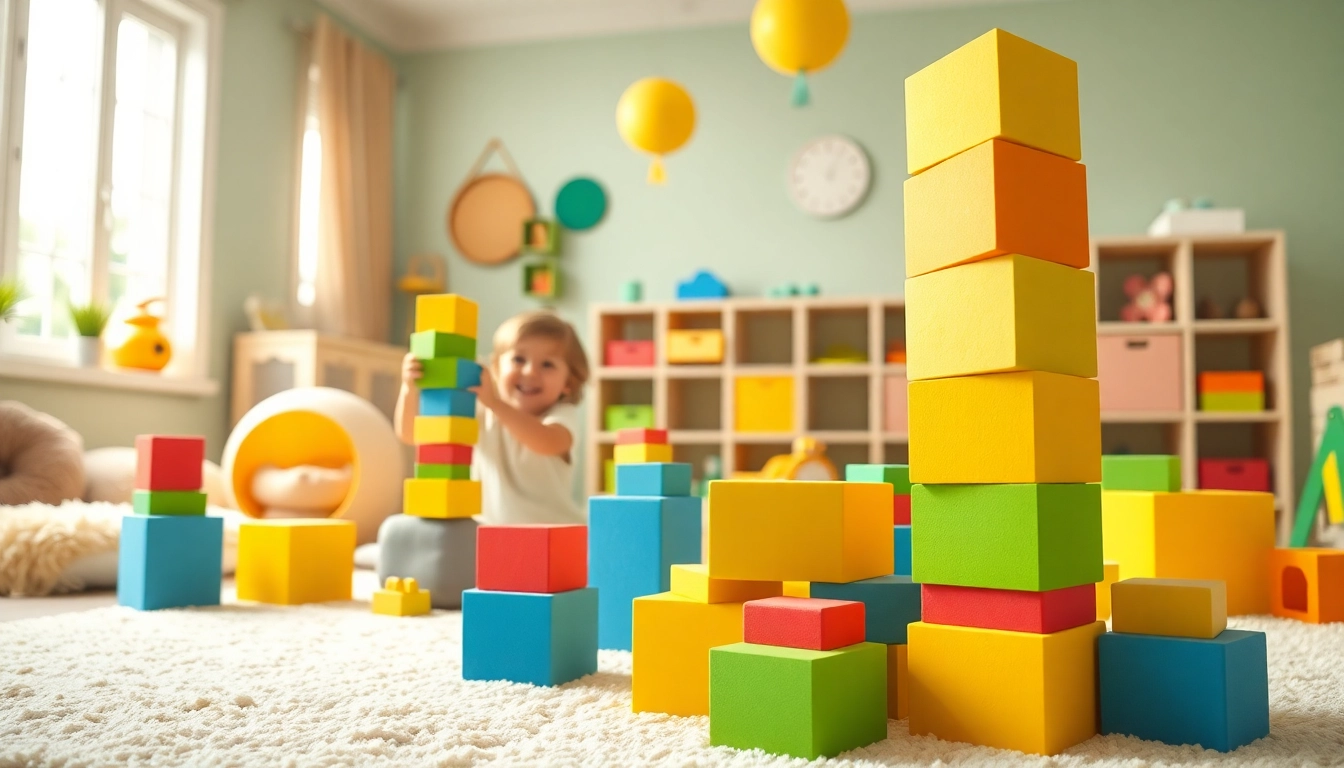
Introduction to Giant Foam Building Blocks
When it comes to promoting creativity and imaginative play in children, few toys can compare to giant foam building blocks. These versatile, soft sculptures provide a safe and stimulating environment for kids to explore their architectural skills and engage in cooperative games. If you’re intrigued by the educational and developmental benefits of these blocks, get the details on how to select the right foam blocks and incorporate them into playtime routines.
What are Giant Foam Blocks?
Giant foam blocks are oversized, lightweight building materials made from high-density foam. These blocks come in various shapes and sizes, allowing children to construct imaginative structures without the risk of injury typically associated with hard materials. The soft texture and vivid colors stimulate sensory experiences while encouraging cooperative play, creativity, and strategic thinking. Designed for both home and educational environments, these blocks offer endless possibilities for children of all ages.
Benefits of Playing with Foam Blocks
Playing with giant foam blocks is more than just fun; it offers numerous developmental benefits:
- Physical Development: Building with foam blocks helps improve fine motor skills and hand-eye coordination as children grasp, stack, and balance the blocks.
- Cognitive Skills: Foam block play encourages critical thinking, problem-solving, and spatial awareness as kids figure out how to create stable structures.
- Social Interaction: By collaborating with peers, children develop teamwork abilities, communication skills, and conflict resolution strategies.
- Imagination and Creativity: Creating structures allows children to express their visions and play scenarios, enhancing their imaginative capabilities.
Safety Features and Considerations
Safety is a paramount concern when it comes to children's toys. Giant foam blocks are designed with safety in mind:
- Non-Toxic Materials: Most foam blocks are made from non-toxic, BPA-free materials, ensuring they are safe for children.
- Soft and Lightweight: Their soft nature makes them safe to touch, preventing injuries during playful interactions.
- Easy to Clean: Foam blocks can be wiped down easily, making maintenance a breeze and ensuring hygiene during play.
Engaging Play Ideas for Kids
To maximize the potential of giant foam blocks, consider these engaging play ideas that encourage creativity and collaboration:
Building Challenges to Boost Creativity
Organize building challenges where children compete to construct structures within a set time. This not only encourages creativity but also teaches children how to prioritize and strategize their construction efforts. Challenges can include themes like building the tallest tower, creating a bridge, or crafting a model of their dream house.
Games that Encourage Teamwork
Foam blocks can be used for team-based games such as relay races, where children must work together to transport blocks across a designated area without dropping them. Such activities promote cooperation, communication, and the importance of working together towards a common goal.
Imaginary Play Scenarios
Encourage kids to create imaginary worlds using foam blocks. They can build castles for princesses, skyscrapers for urban adventures, or houses for playtime families. This type of imaginative play promotes storytelling and enhances their ability to communicate their ideas to peers.
Choosing the Right Foam Blocks
Not all foam blocks are created equal. Here’s what to consider when selecting the best blocks for your needs:
Size and Shape Considerations
Choose blocks that are appropriately sized for the age group of the children who will be using them. Larger blocks are typically safer for younger children, while more varied shapes can inspire creativity in older kids. Consider a mix of shapes—such as cubes, rectangles, and triangles—to encourage different building techniques.
Material Quality and Safety Standards
Always check that foam blocks meet safety standards and are made from high-quality materials. Look for certifications that indicate compliance with safety regulations ensuring that the foam is durable, non-toxic, and free from harmful chemicals.
Color Options and Aesthetic Appeal
Bright colors can enhance children's interest in play and make building more engaging. Consider selecting foam blocks in various colors to promote visual stimulation and allow children to create vibrant structures in their imaginative landscapes.
Maintaining and Storing Your Foam Blocks
Proper maintenance and storage are crucial for prolonging the life of your foam blocks and ensuring they remain safe and clean for children to use.
Cleaning and Sanitizing Tips
Keep foam blocks hygienic by regularly cleaning them with mild soap and water. For a deeper clean, use sanitizing wipes that are safe for use on children's toys. Ensure that they are completely dry before storing to prevent mold and mildew.
Storage Solutions for Easy Access
Invest in bins or shelving units designed for easy access and visibility of the blocks. Organizing them by size or color can help maintain an orderly play area while making clean-up a more manageable task post-play.
Longevity and Care of Foam Blocks
To extend the life of your foam blocks, avoid exposing them to direct sunlight for prolonged periods, as this can cause fading. Regularly inspect them for signs of wear or damage, and promptly replace any that show significant wear to maintain safety standards.
FAQs About Giant Foam Building Blocks
What age group are foam building blocks suitable for?
Foam building blocks are generally suitable for children aged three and up, providing developmental benefits across multiple age ranges.
How do I clean my foam blocks?
Use mild soap and water to wipe down foam blocks. For harder-to-reach spots, sanitizing wipes can be effective and are quick to use.
Can these blocks be used outdoors?
While foam blocks are mainly designed for indoor use, they can be used outdoors. However, prolonged exposure to the elements can damage them.
Are foam blocks safe for toddlers?
Yes, foam blocks are safe for toddlers, provided they are made from non-toxic materials and lack small parts that could pose choking hazards.
Where can I buy high-quality foam building blocks?
High-quality foam building blocks can be purchased from various online toy retailers, specialty stores, or educational supply outlets.